 01
01Ten Men, One Newspaper, and a Democracy Still Outing People.
In 1973, ten men left Los Tarantos in costume. The police took their freedom for a night. The newspaper tried to take the life awaiting them the next morning.
Read the note ↗Independent journal · Four languages
Notes on
01In 1973, ten men left Los Tarantos in costume. The police took their freedom for a night. The newspaper tried to take the life awaiting them the next morning.
Read the note ↗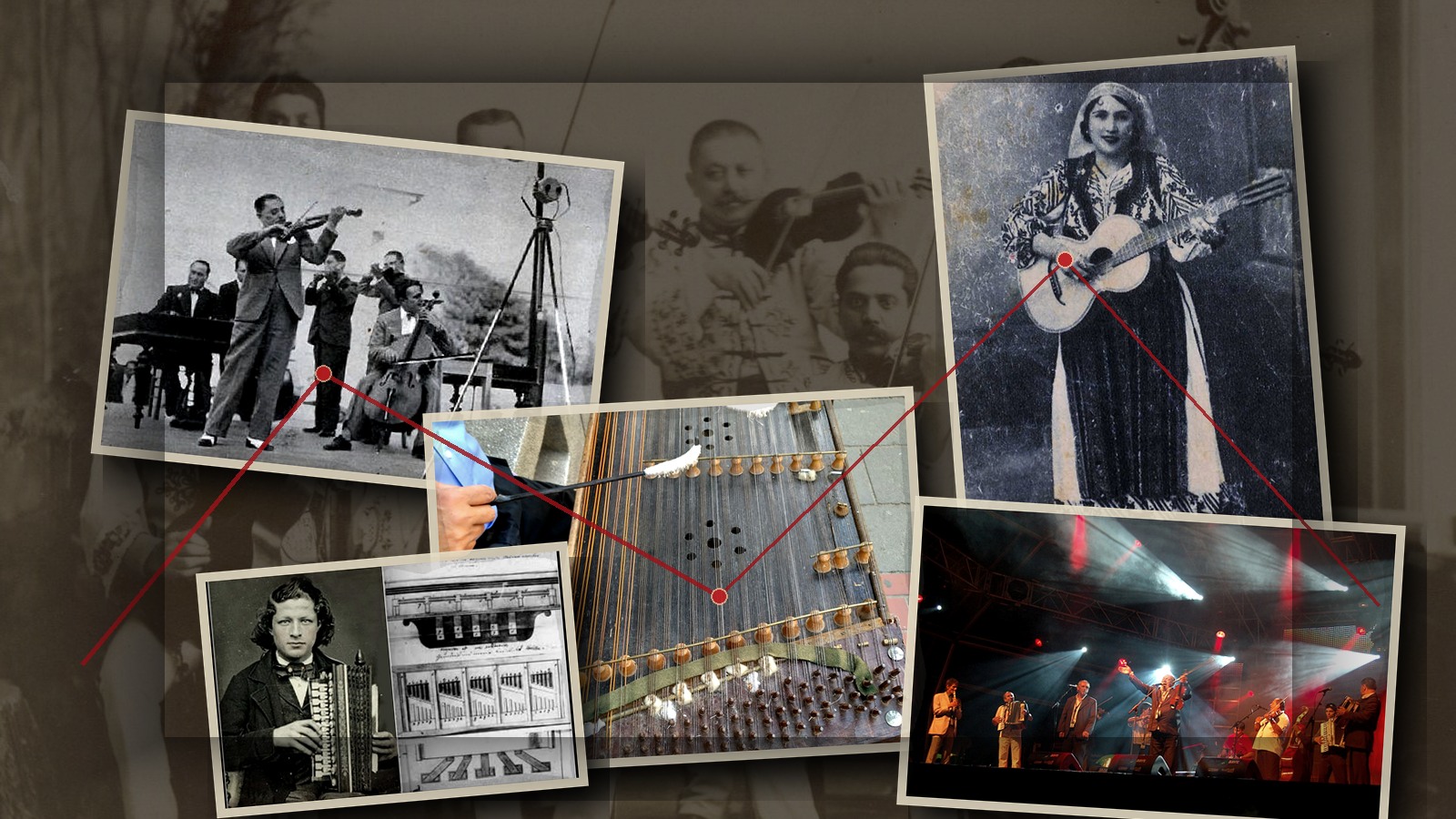 02
02Music · Politics · Society · Party
Between Song to Romania, Electrecord, the “de-pollution” campaign and the tape recorded at a wedding, the state tried to manufacture folklore without sweat. The audience asked for an encore.
Read the note ↗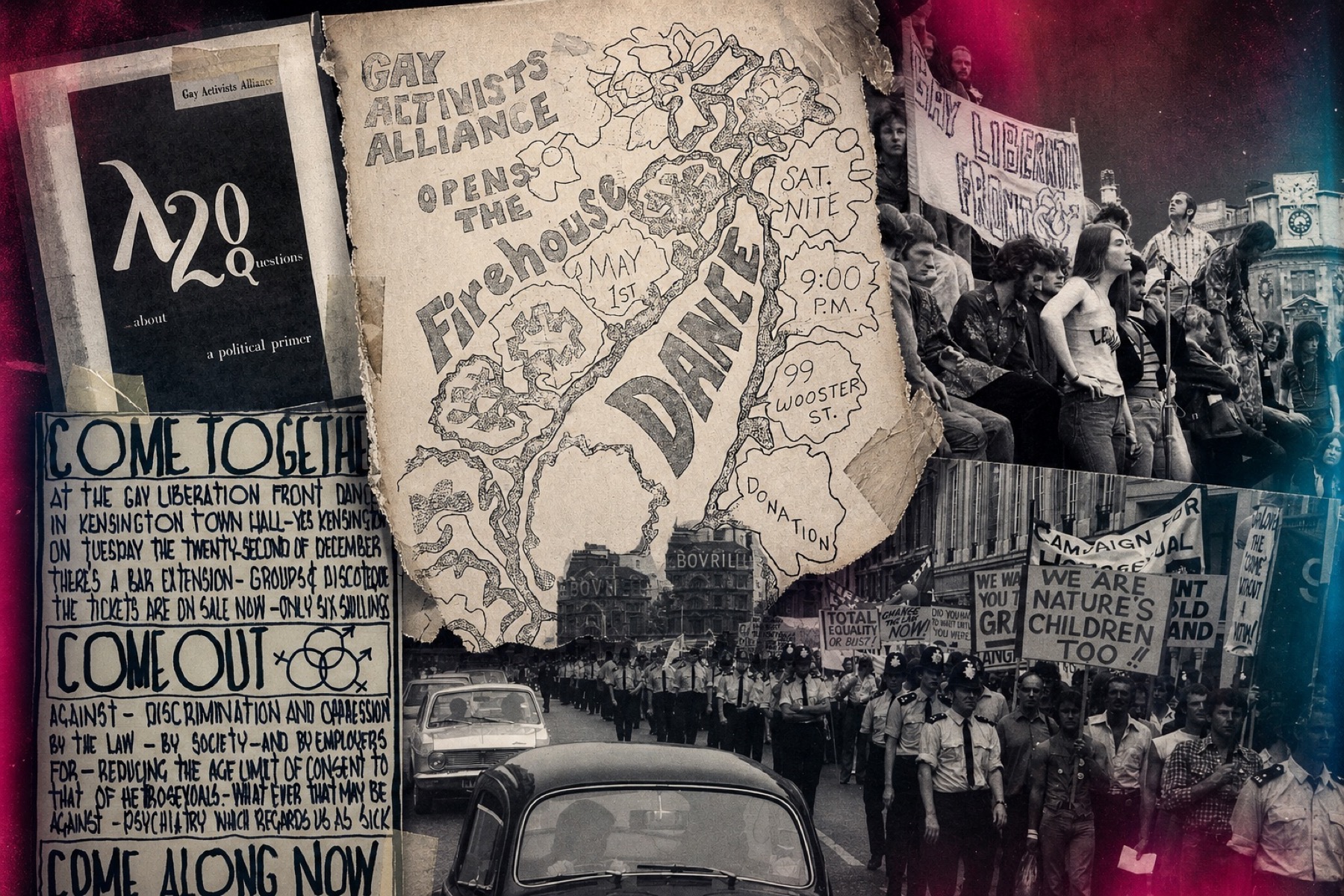 03
03Gay life · Politics · Party · Music
In 1971, at 99 Wooster Street, a former firehouse became a club, political headquarters and cashier’s desk for gay liberation. Admission was about two dollars. The profits funded the revolution.
Read the note ↗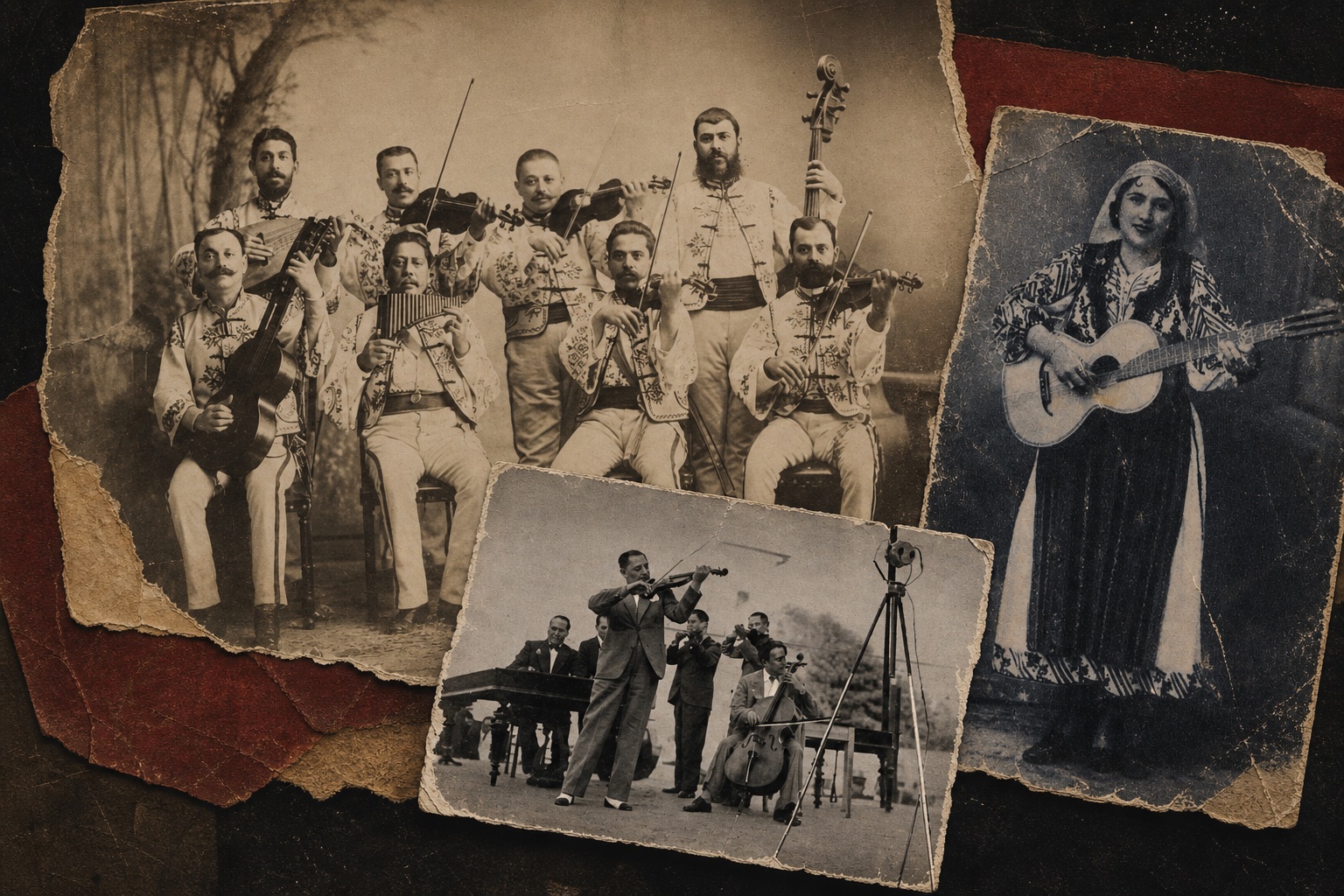 04
04Five centuries of enslavement, four instruments with foreign passports, a state orchestra and one indecently simple question: who gets credit for the national sound?
Read the note ↗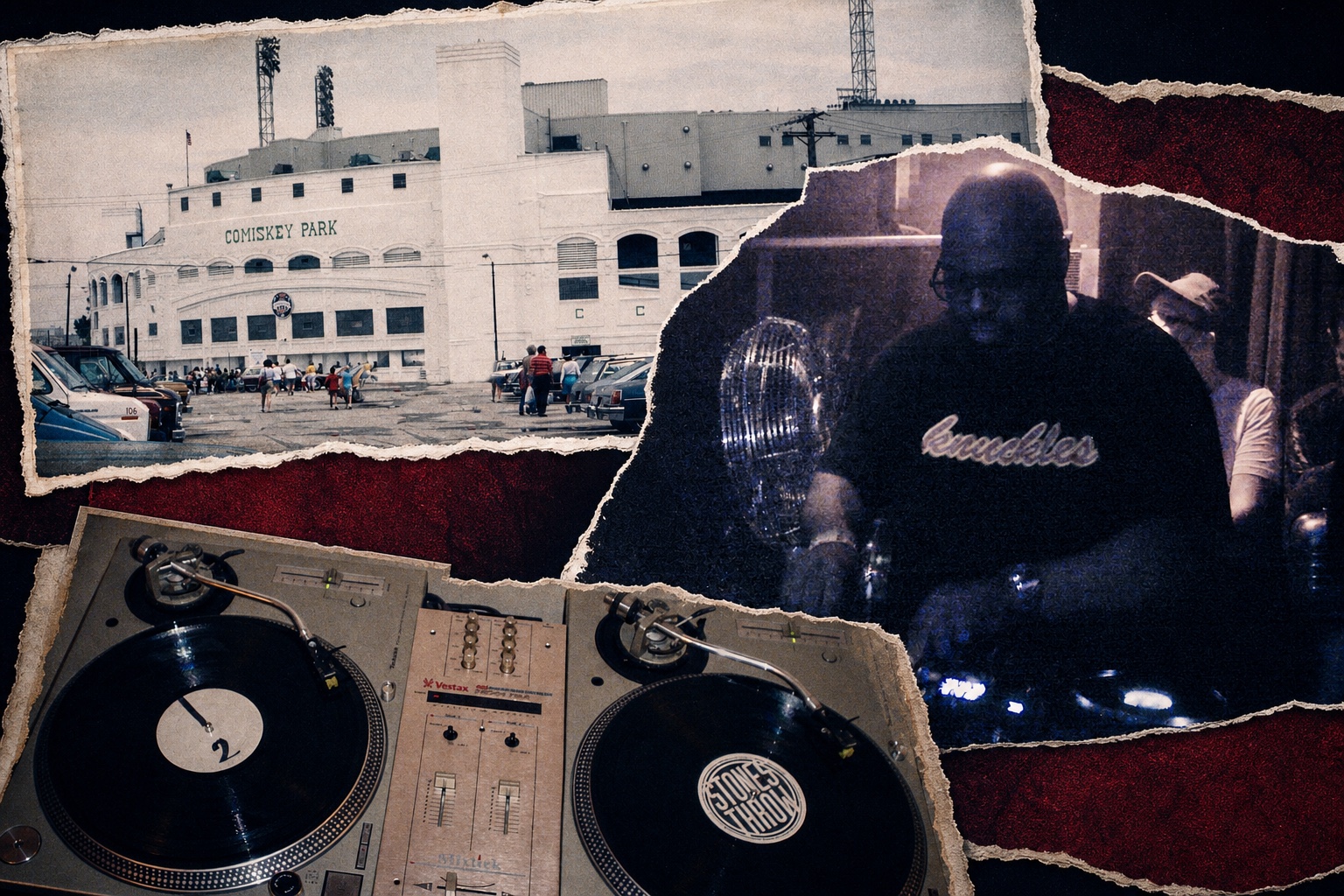 05
05They blew up records at Comiskey Park and declared the genre dead. The beat, not officially notified, carried on under the name house.
Read the note ↗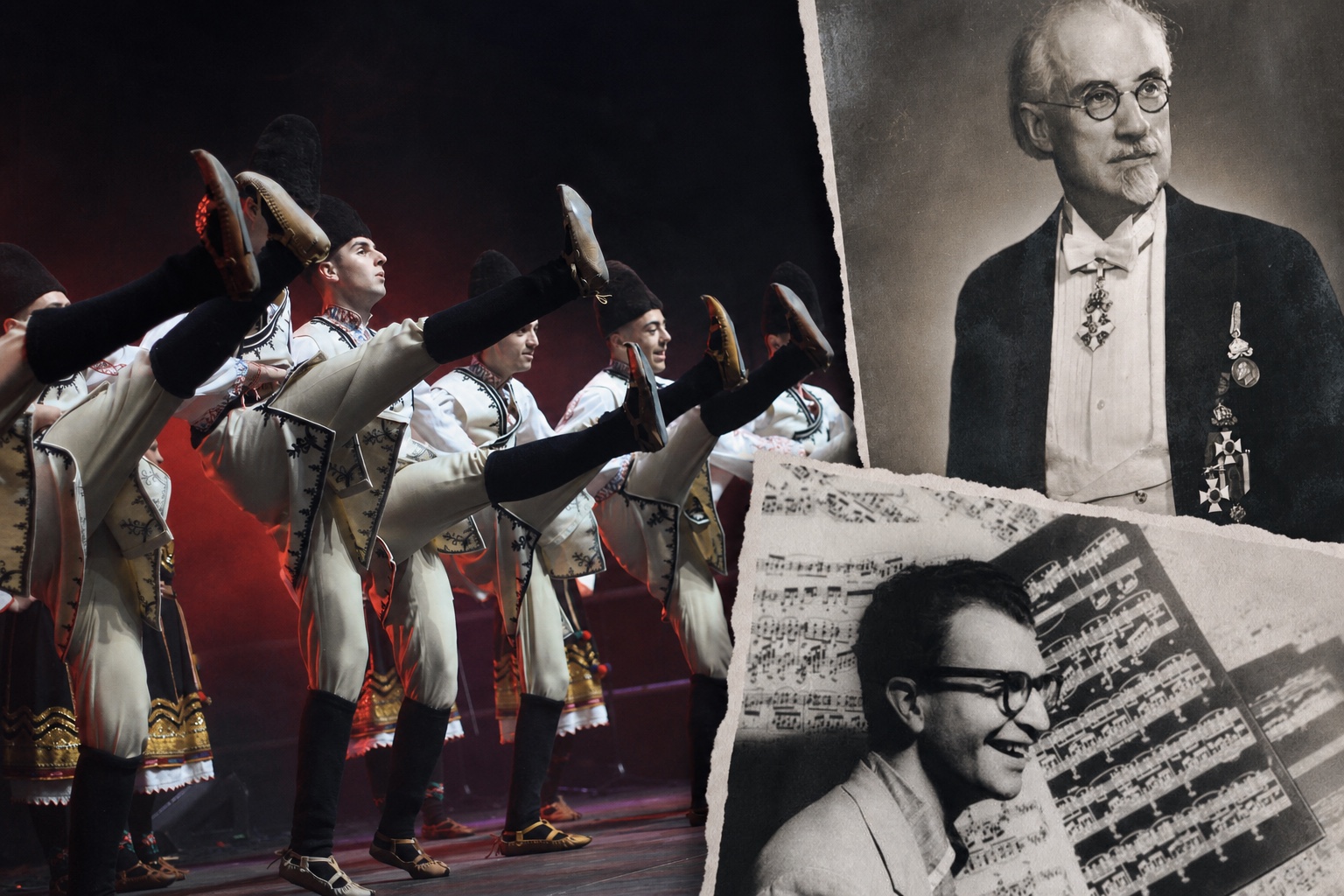 06
06Uneven rhythms are real. The myth that they alone explain Balkan music is just exotic arithmetic, beautifully packaged for export.
Read the note ↗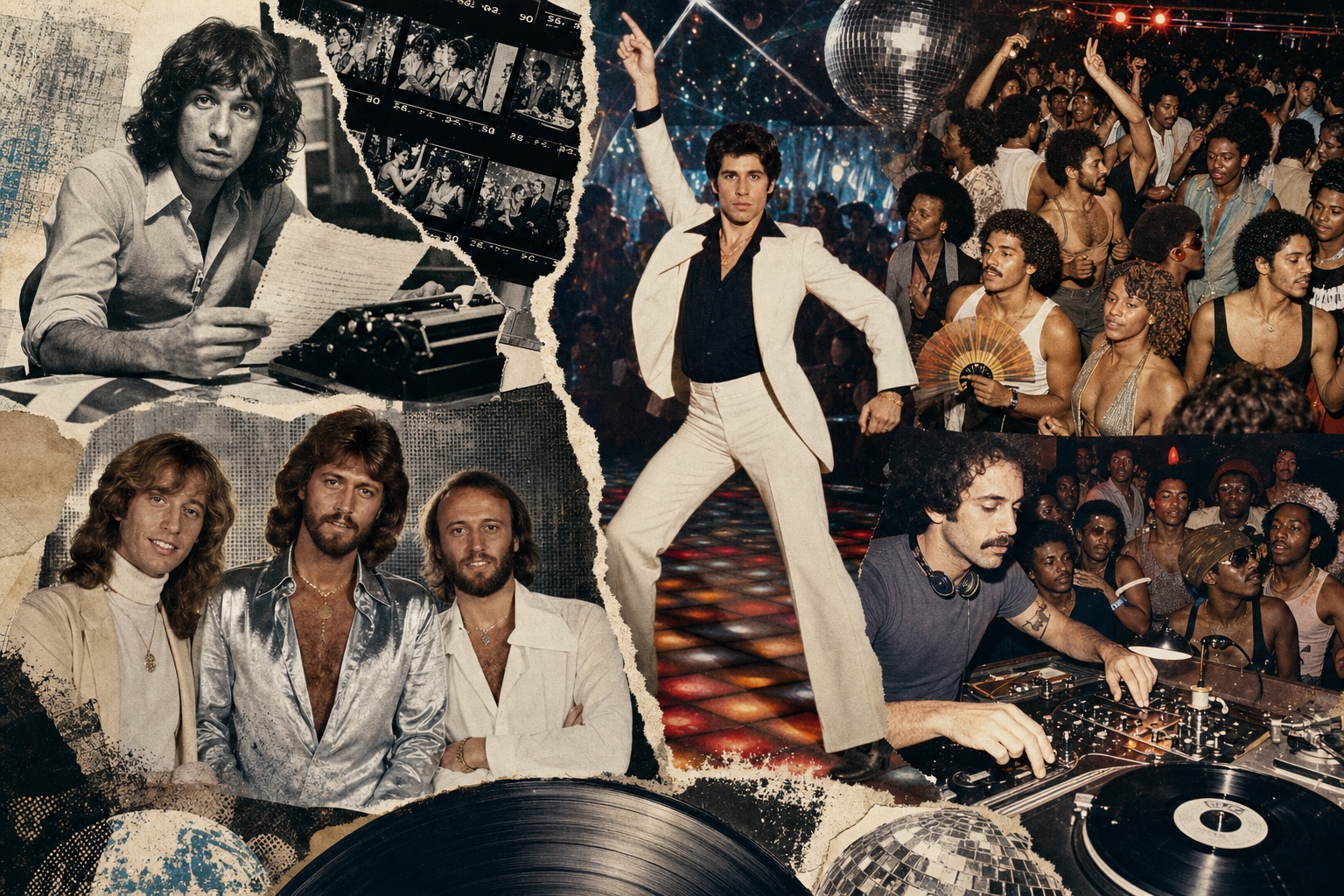 07
07A fabricated article, Tony Manero, the Bee Gees, and how Hollywood compressed disco’s Black, Latino and queer history into a single white suit.
Read the note ↗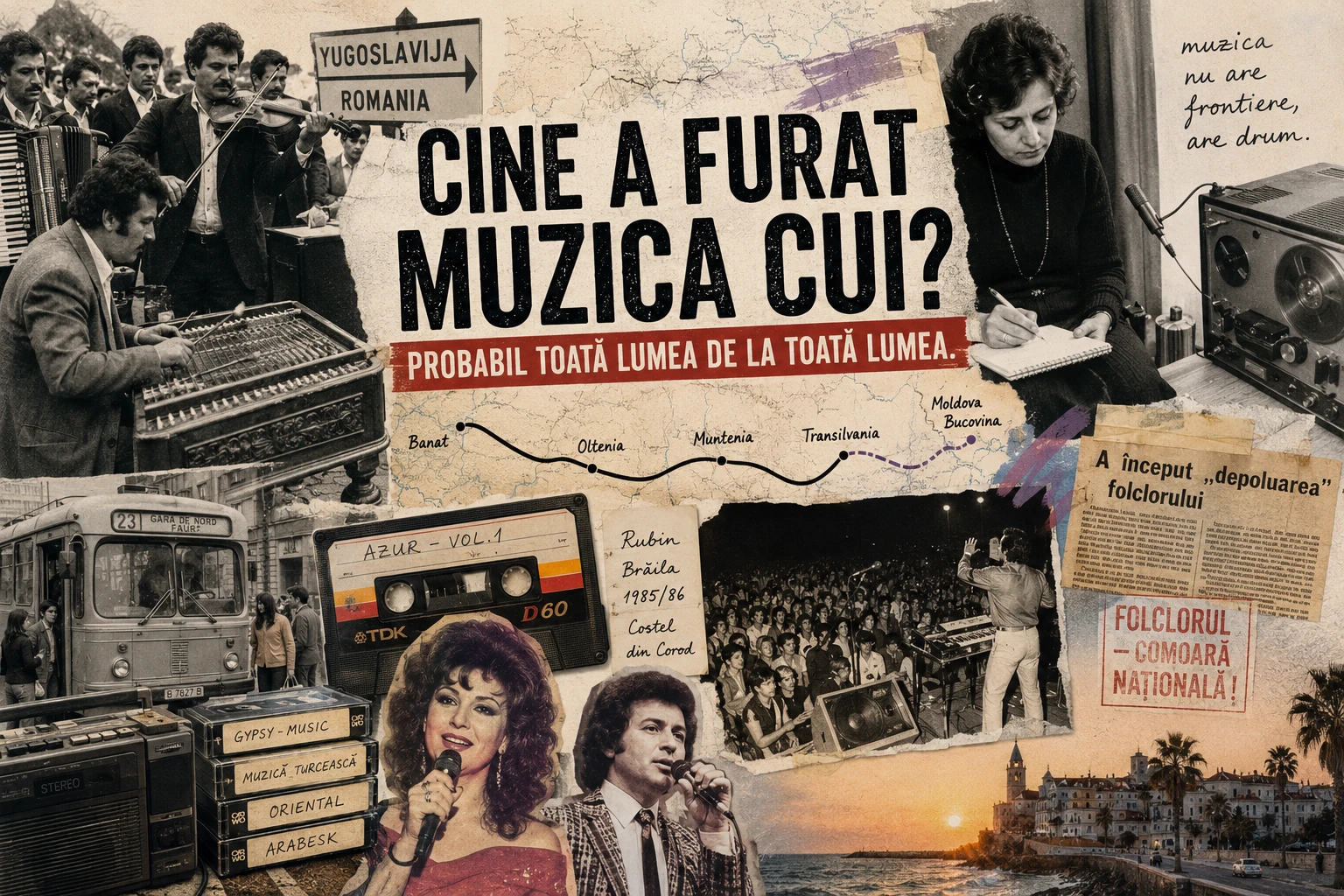 08
08From Banat’s lăutari to Azur cassettes and ethno techno: how Balkan music crossed borders, regimes and labels without asking permission.
Read the note ↗