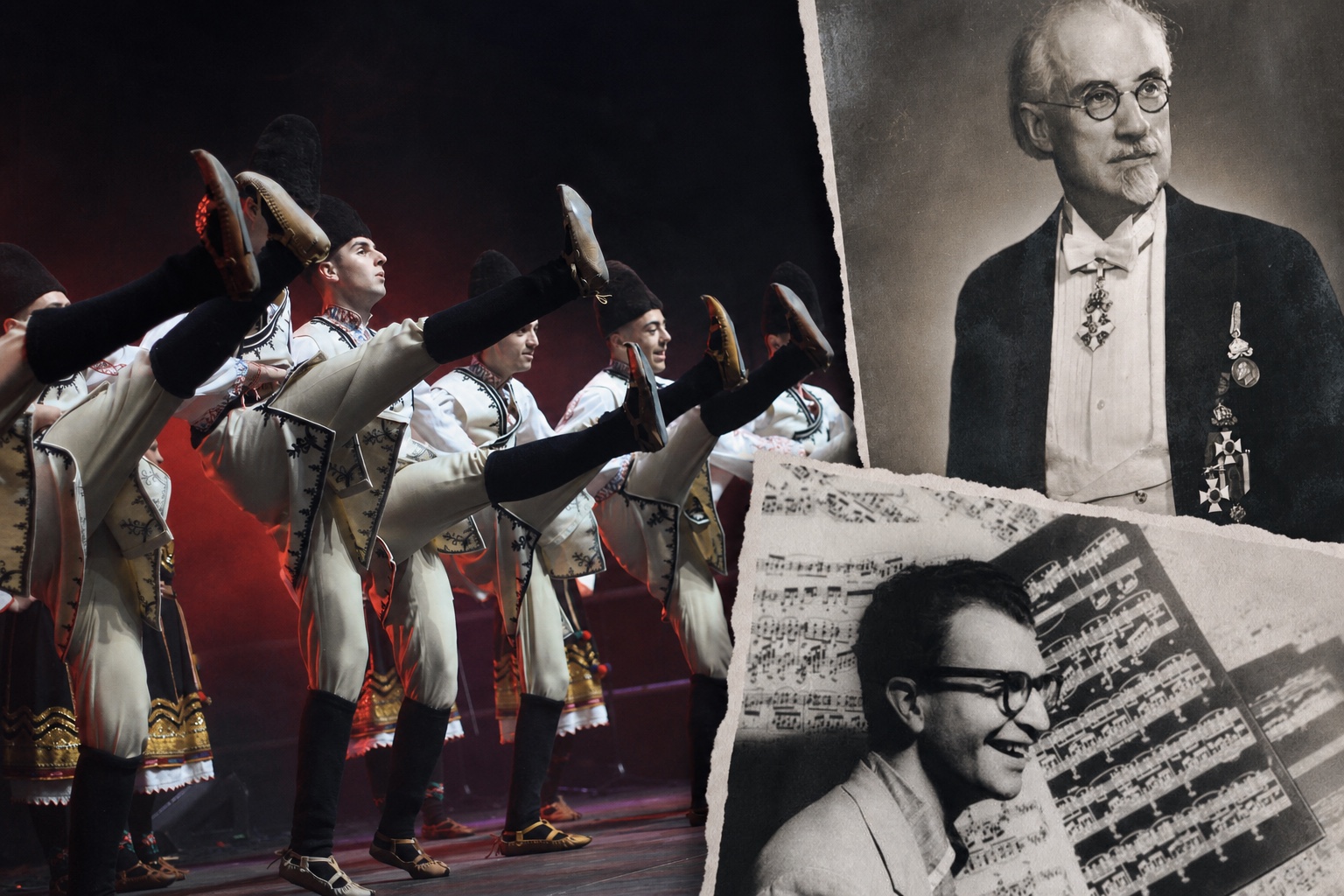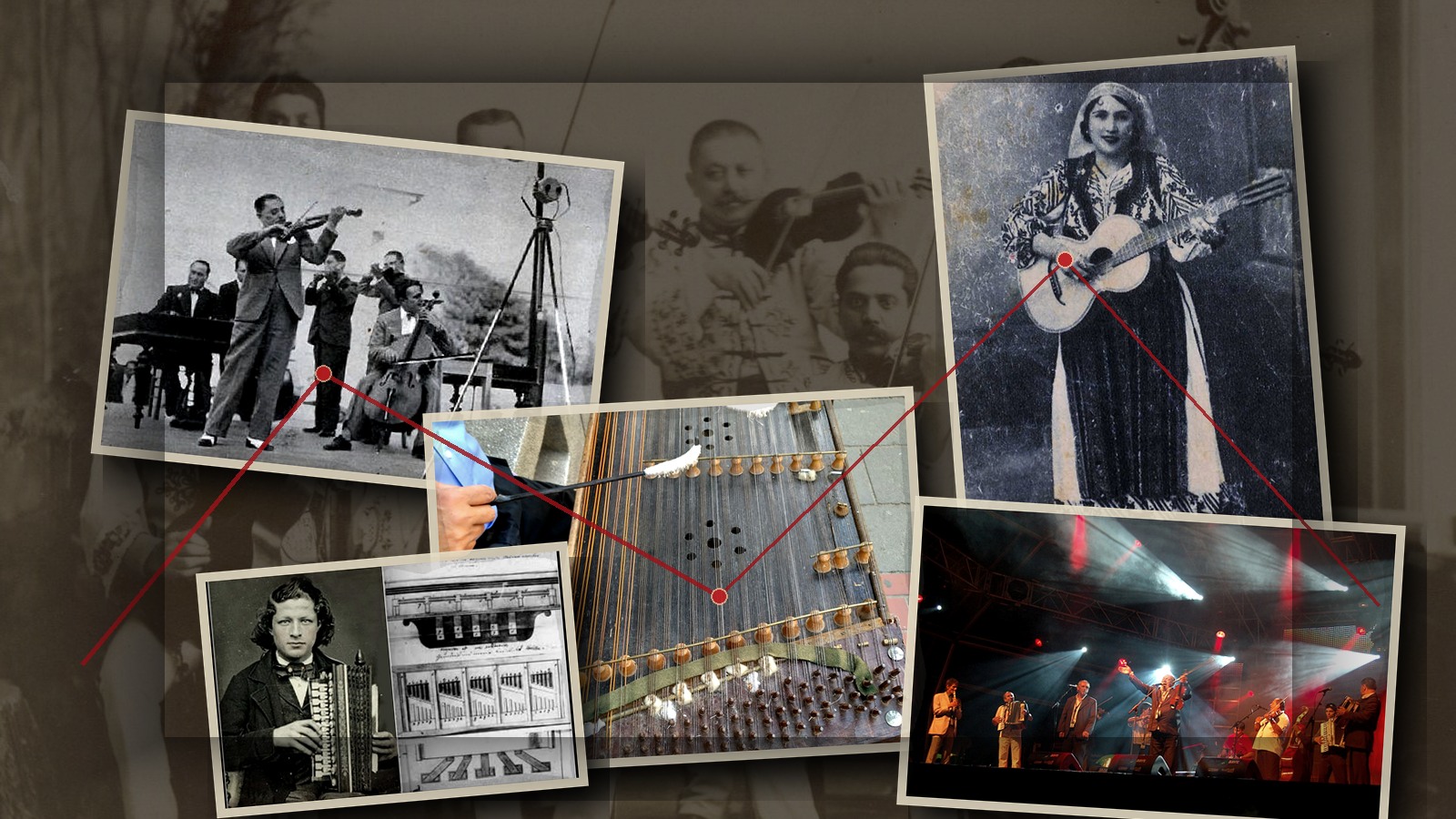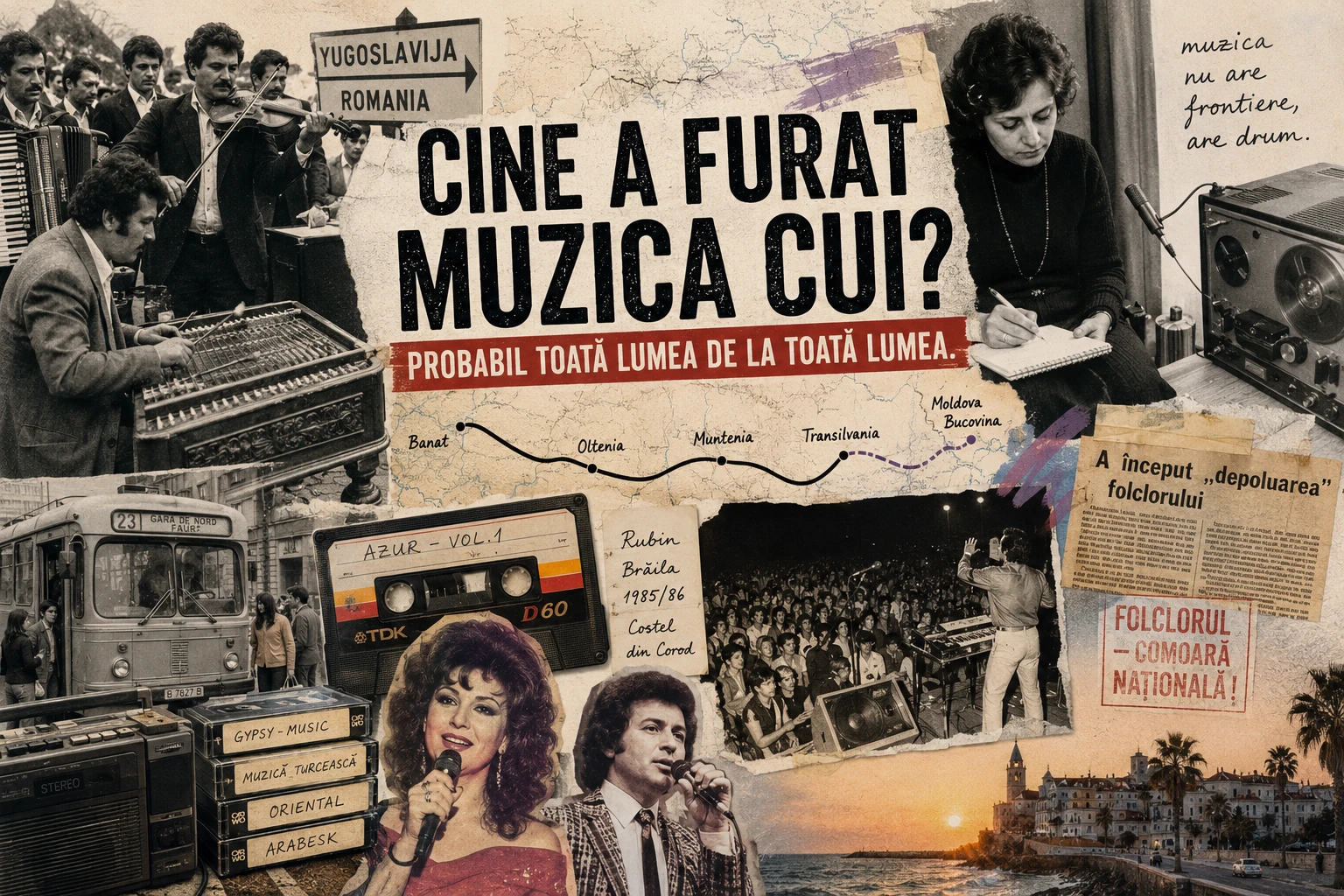
The music everyone credited to the neighbour
In the Balkans, a melody can cross the border, change its name and become “foreign” while everyone dances to it. Because countries have borders. Music feels like partying.
We are near the end of the 1960s, somewhere in western Romania.
Nicolae Ceaușescu is still at the beginning of his rule. The Beatles still exist. Man has not even reached the Moon.
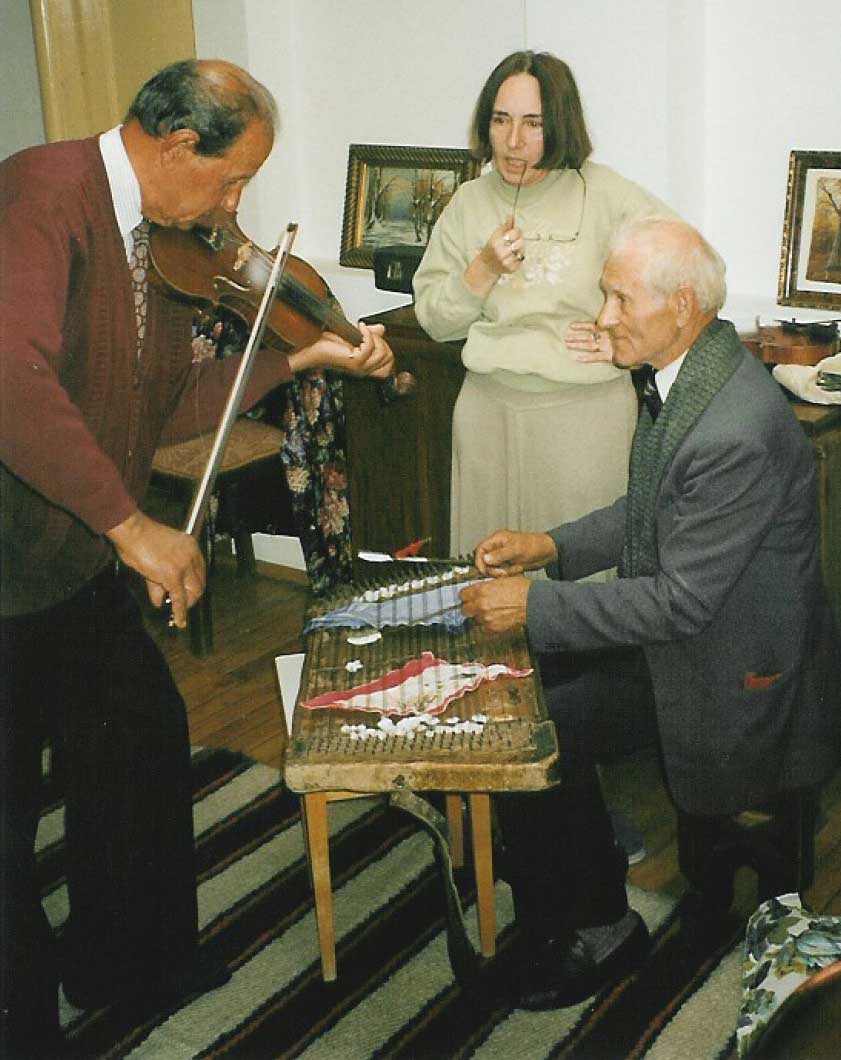
Meanwhile, in Banat, Romanian lăutari and Serbian musicians are already practising a kind of musical peer-to-peer across the border. They cross from one side to the other to play at weddings. They listen to one another. They steal — in the most beautiful sense of the word — an idea, a rhythm, a melody, a way of placing their fingers on an instrument. They play it somewhere else. They change it. They pass it on.
There is no Spotify. There is no TikTok. There is not even the internet on which, fifty years later, we will argue about who stole whose melody.
The algorithm has a moustache, a violin and a wedding on Saturday.
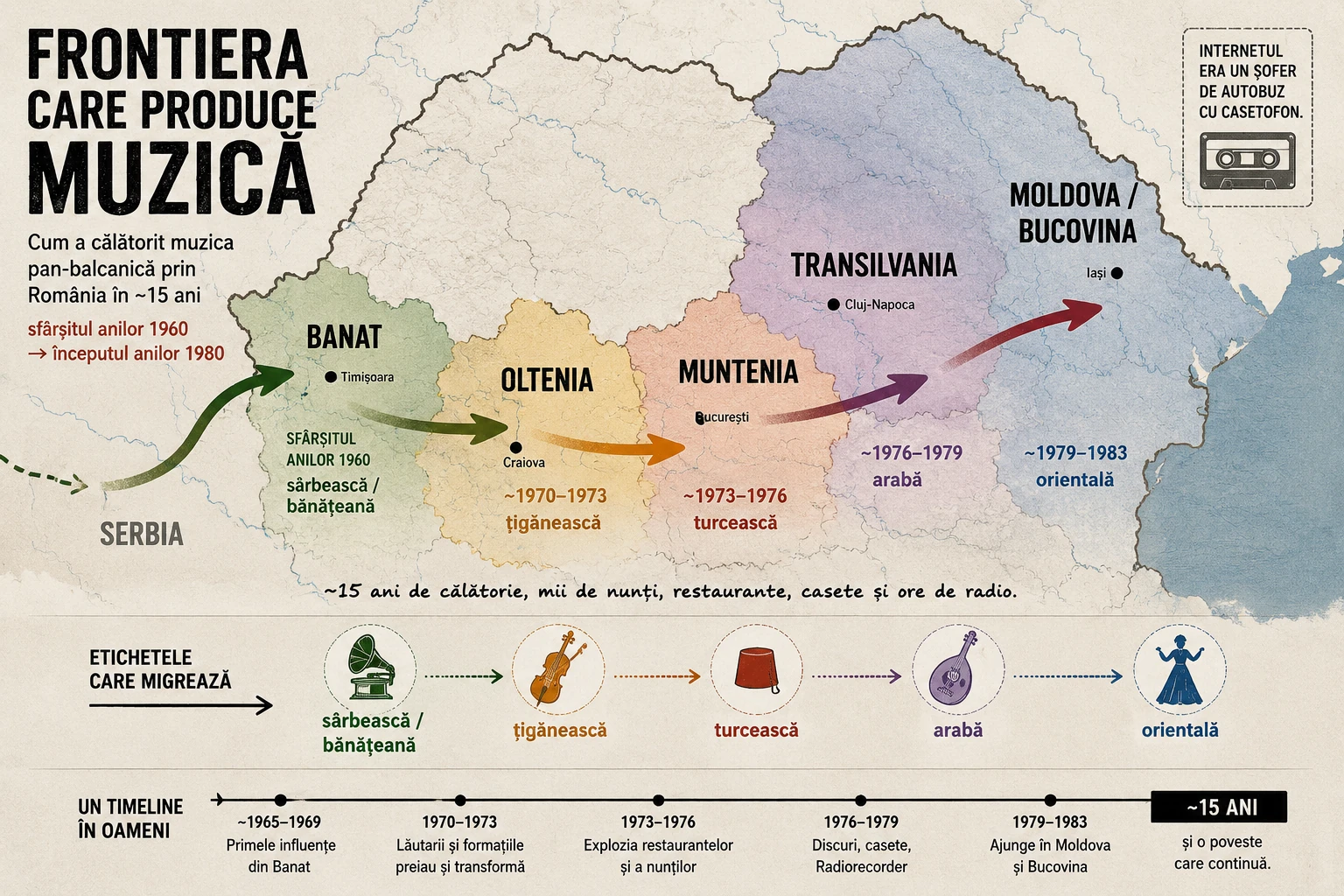
From these encounters begins to grow what ethnomusicologist Speranța Rădulescu would describe as a new pan-Balkan wave in Romanian oral music. In the west it is initially called “Banat music.” Romanian and Serbian musicians frequently cross the border in both directions, play at their neighbours’ weddings and exchange fashionable repertoires. In approximately 15 years, the phenomenon passes through Oltenia and Muntenia, reaches Transylvania and makes it as far as Moldova and Bukovina. Martor Journal
Fifteen years. No marketing campaign. No label. No influencer filming themselves saying, “Guys, I’ve just discovered this amazing Balkan sound.” Just people. And the urge to party.
It’s Serbian. No, Gypsy. No, Turkish.
The story becomes even more beautiful when the music begins to acquire names. Romanians call it Serbian.
But “Serbian music” does not necessarily mean pure Serbian folklore. It is already the result of a pan-Yugoslav, urban and popular mixture that circulates between communities and is then taken up and transformed once again in Romania. Martor Journal
And as it travels, its identity card changes. In Romania it may be Serbian. In other contexts in Serbia or Bulgaria it may be Romanian or Turkish.
Later, here, it will be called Gypsy, then Turkish, Arab, Oriental. Martor Journal
It is extraordinary. Everyone plays it. Everyone dances. But when you ask, “— Whose is it?”, the finger points at the neighbour.
The music is loved here and apparently always born just a little farther away.
Perhaps because national identity adores borders. Party music, much less so. Countries have borders. Music feels like partying.
Songs do not cross the border on their own
We often say that “one culture influenced another culture.” It is true. And almost completely useless if we do not explain how.
Culture does not wake up in the morning, put on its shoes and cross customs. People carry it.
And in this story, an essential role belongs to lăutari and Roma musicians: professionals compelled by the nature of their work to know what the audience wants, what is being played elsewhere, which melody catches on and what must change for it to catch on even better.
Seen this way, tradition is no longer a porcelain vase that grandmother keeps behind glass and no one is allowed to touch.
It is alive. It sweats. It makes mistakes. It gets drunk. It falls in love. It steals something now and then. And on Saturday it has another wedding.
A melody survives not only because it is “authentic”, but also because someone plays it, someone pays for it and someone else says: Play it again. That is how music circulates. From wedding to wedding. From ear to ear. From body to body.
Then the cassette appears
By the 1980s, this music no longer even needs the musician to travel with it. It has magnetic tape.
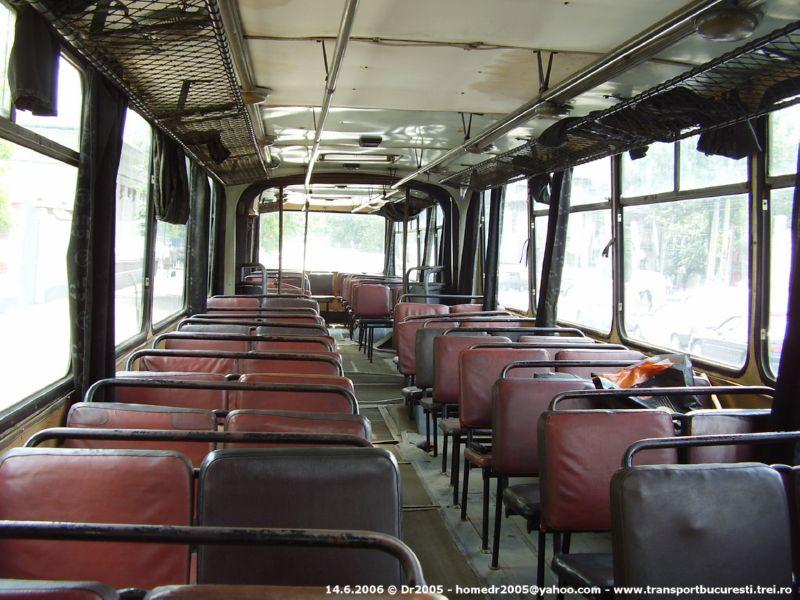
Speranța Rădulescu describes a soundscape worth imagining physically: recordings are played loudly in houses, on verandas and balconies, in the street, in pubs, in parks, on trains and buses. Martor Journal
The Romanian internet had not been invented. But Romania had balconies. And cassette players. And neighbours.
And the neighbour, as we know, is a broadcasting technology that humanity has not yet managed to stop.
Brăila, 1985. Or 1986. And a man called Costel.
Here the story acquires people, cables and money.
At the beginning of the 1980s, the band Azur, led by Nelu Vlad, played at the Rubin restaurant in Brăila. Sources place the band’s residency there from 1981 or, in other accounts, 1985; even the memory of this underground history comes with slight differences in dating. livetickets.ro
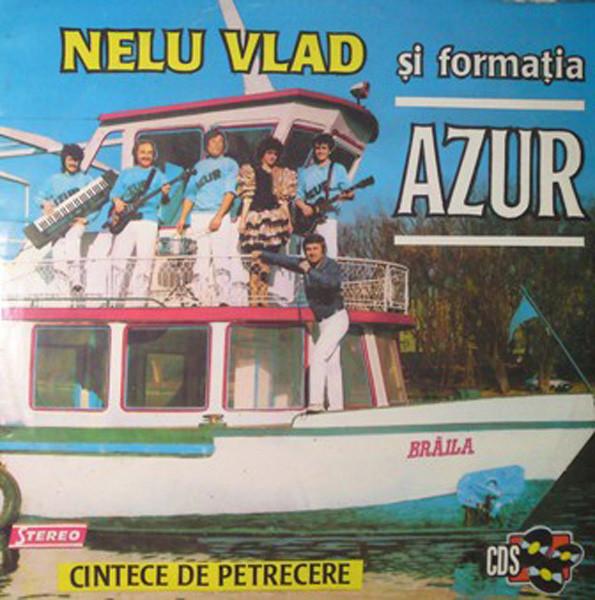
Nelu Vlad’s repertoire mixed lăutărească music, his own compositions and Balkan dance music.
Vlad remembers that sailors from Greece, Serbia and Arab countries came to Rubin, and that he began to borrow Greek, Serbian and Oriental melodic lines over which he placed Romanian lyrics. botosaneanul.ro
Globalisation in a restaurant in Brăila.
With an electronic organ.
And probably schnitzel.
Then Costel from Corod, Galați County, appears.
A cassette merchant at fairs across the country.
One evening — sources waver between 1985 and 1986 — Costel comes to Rubin, listens to Azur and proposes something simple: connect his machine to their sound system and record approximately one hour of the programme.
The band has five members.
Costel gives them 300 lei each.
Total: 1,500 lei.
And goes home with the music.
The recording included songs such as “Mona”, “Cenușăreasa” and “Prințișorul meu.”
Costel essentially tells them that the whole country will soon be listening to them.
They do not really believe him.
Except the man with the cassettes understands distribution better than the musicians do.
In the account later published by Jurnalul Național, within a month the songs were already circulating around the country. Jurnalul
Costel from Corod had done what today would simultaneously be done by a label, Spotify, YouTube and a dubious man with WeTransfer.
Except he had cassettes.
1986: the star everyone knew and no one recognised
Then comes one of my favourite scenes in the entire story.
Brăila, 1986. The Summer Arena.
Azur is about to perform its first major concert.
Nelu Vlad walks from home to the arena.
As he approaches, he sees a crowd. Police. A blocked intersection.
And he asks what is happening.
He is told there is an Azur concert.
He was Azur.
But people knew his voice and did not know his face.
According to Vlad’s memories, the arena had 3,000 seats, approximately 5,000 people may have entered, while another 15,000 or so remained outside. These are his estimates, not official ticketing figures, but the scene says something extraordinary about the era. VICE
You can become a star without television.
Without a music video.
Without Instagram.
Without a profile picture.
Romania had pressed play before it knew what he looked like.
After the success in Brăila came a tour of approximately 40 concerts through Moldova; other sources list 41 concerts in total. Jurnalul
And this is how a circle closes.
At the end of the 1960s, the new wave had entered Romania forcefully through the west.
In approximately 15 years it had reached Moldova and Bukovina.
In 1986, a band mixing lăutărească music, Balkan rhythms, organ and electric guitar set out to fill halls precisely in Moldova.
The music had crossed the country.
And had asked no one’s permission.
Except the Party had a musicological problem
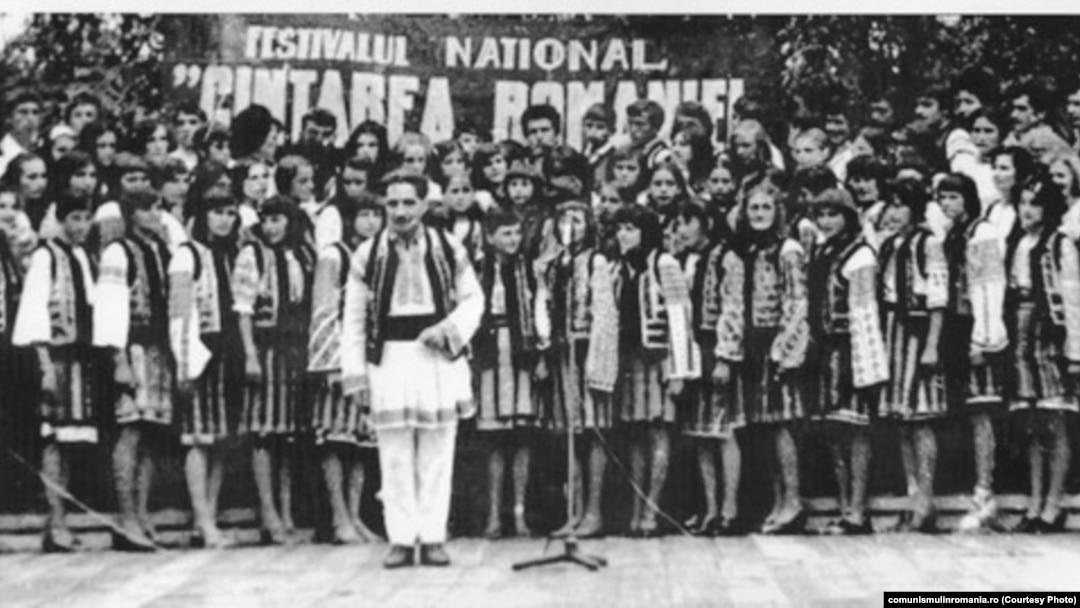
Communist Romania had its own idea of what folklore should be.
Clean.
National.
Presentable.
Controllable.
In other words, exactly the sort of things music produced through weddings, borders, Roma, Serbs, cassettes, restaurants and sailors did not particularly feel like being.
In the 1980s, Rădulescu documents a campaign she calls “folklore de-pollution.” She describes it as initiated by Party bodies and supported by intellectuals close to the regime, with performers threatened by administrative sanctions. Martor Journal
The term is magnificent in its horror.
De-pollution.
As if the melody were a river.
And the Serb were industrial waste.
Mixture became contamination.
Influence became impurity.
The public’s pleasure became an administrative problem.
The Romanian Communist Party therefore had a musicological problem:
the music was not Romanian enough.
The music’s problem was that people liked it.
The people’s problem was that they danced before asking for the melody’s certificate of origin.
In her later writings, Rădulescu also describes threats of fines and the withdrawal of lăutari musicians’ right to practise. For these details, however, we do not yet have the original administrative orders and minutes that would allow us to reconstruct individual cases, so it is fair to keep them attributed to the researcher rather than retrospectively turn them into bureaucratic certainties.
But the underlying conflict is clear:
power was trying to separate what musicians had mixed together.
And how, exactly, do you de-pollute a song?
Here the inevitable absurdity begins.
Where exactly does Romania end inside a melody?
On the third beat?
After the chorus?
Is the accordion Romanian enough?
What about the ornament?
The rhythm?
What if the melody was heard by a Romanian from a Serb who had heard it from a Roma musician who played for an audience that called it Turkish?
Who gets the passport?
Who goes to melodic deportation?
Because a melody does not see customs.
It has no identity card.
It does not know whether the person who loves it speaks Romanian, Serbian, Romani, Turkish or French.
It only knows that if a body starts to move, it has somewhere to travel next.
And here the state had a technical problem.
It could control television.
It could control radio.
It could control the official record industry.
It was harder to control the wedding.
The balcony.
The pub.
The train.
The bus.
And Costel from Corod with his cassettes.
The Communist Party had a Central Committee. Music had a chorus.
We know who won.
1989: the regime falls. The rhythm does not.
In December 1989, the Ceaușescu regime collapses.
Pan-Balkan music does not, however, appear from nowhere the next day.
It was already there.
After 1989, what changes radically is freedom of movement, the market, the industry and the speed at which such repertoires can become public. Rădulescu notes their expansion and the continuing change of labels: from Banat/Serbian to Gypsy, Turkish, Arab and Oriental. Martor Journal
That is why the idea that manele suddenly appeared after the Revolution is too simple.
The 1990s do not invent this world from nothing.
They give it a different market.
Different synthesisers.
Different cassettes.
Different money.
Different freedoms.
And, obviously, different reasons for Romanians to argue.
Because if there is something we love more than music, it is explaining why the music other people love is bad.
So whose is it?
We reach the part that interests me most.
Because this need to put music in a box has not disappeared.
Only the boxes are cooler.
Today we say:
Balkan.
Gypsy.
Ethno.
World.
Electronic.
Techno.
Hardcore.
Pop.
Alternative.
And we imagine that if we have found the drawer, we have understood the object as well.
I am not sure.
In Romania, “Balkan” can come with a discreet embarrassment. With the idea of periphery. Disorder. The Orient. Something we want to distance ourselves from when we imagine ourselves very Western.
In the West, exactly the same disorder can become sexy.
That is where the paradox that also interests me in Cruel Sitges begins.
The Balkans are seduced by the civilised organisation of the West.
The West is seduced by the freedom and chaos of the Balkans.
We look at one another and want precisely the thing the other is sometimes trying to escape.
Love is the same.
Drama is the same.
Happiness.
Power.
Seduction.
Only their weight changes. And the way we wear them on the outside or let them boil inside.
For me, the Balkans are the beautiful, rhythmic chaos that, once you have begun to discover it and understand how to dance it, you no longer want to leave.
Except my relationship with ethno music is one of love and hate.
I love it for the way it sounds.
For the rhythm.
For that energy that does not ask whether you are in the mood.
For the way it makes my blood boil.
And I argue with it when traditions and social norms grow around it that demand a person be less free than the music they play.
Here lies my contradiction.
I can love the hora without wanting to live by all the rules of the village.
I can love the root without asking the tree to remain buried.
Cruel Sitges: Romanian, Balkan, Gypsy or techno? Yes.
Cruel Sitges began with Romanian, ethno-folk roots.
I did not sit down with a list saying:
“Right. Now we insert 17% Balkan.”
The melodic lines began to accelerate. The BPM rose. The energy changed.
And the Balkan vocabulary arrived naturally with the transformation.
Then I took everything somewhere else.
To Sitges.
To Spain.
With characters that include French origins.
Into a world where traditional Romanian music meets experimental electro-folk, hardcore techno, pop-rock and other things that should probably be kept separate if we were more serious people.
Fortunately, we are not always.
If someone asks me:
— Is Cruel Sitges Gypsy style?
Yes.
— Electro-techno?
Yes.
— Pop-rock?
Yes.
— Balkan?
Obviously.
Not because all these words mean the same thing.
But because each of us enters a melody through the door we know.
We recognise what we can anchor in something we have lived.
What we have listened to.
What we have loved.
Who we have danced with.
Where we made fools of ourselves.
Whom we kissed.
Whom we should not have kissed.
And sometimes, inevitably, whom we kissed once more.
That is what memory does with music.
It gives it labels so that it can reach it.
Perhaps the question was wrong
I began with:
Where does this music come from?
Serbian?
Romanian?
Gypsy?
Turkish?
Arab?
Oriental?
After half a century of travelling, the question begins to look a little ridiculous.
Perhaps the least interesting question is:
Whose is this music?
The other questions are more interesting.
Who played it?
Who heard it?
Who carried it across the border?
Who changed it?
Who banned it?
Who copied it onto cassette?
Who danced to it?
Who changed its name?
And what does each of us hear when it begins?
Because it is not only music that travels.
People travel.
Desires travel.
Prejudices travel.
Labels travel.
Sometimes a Costel from Corod travels with a cassette recorder and changes history without knowing that is exactly what he is doing.
Countries have borders.
Music feels like partying.
And in the Balkans, perhaps one of the most authentic things a melody can do is never sit quietly at home. Martor Journal