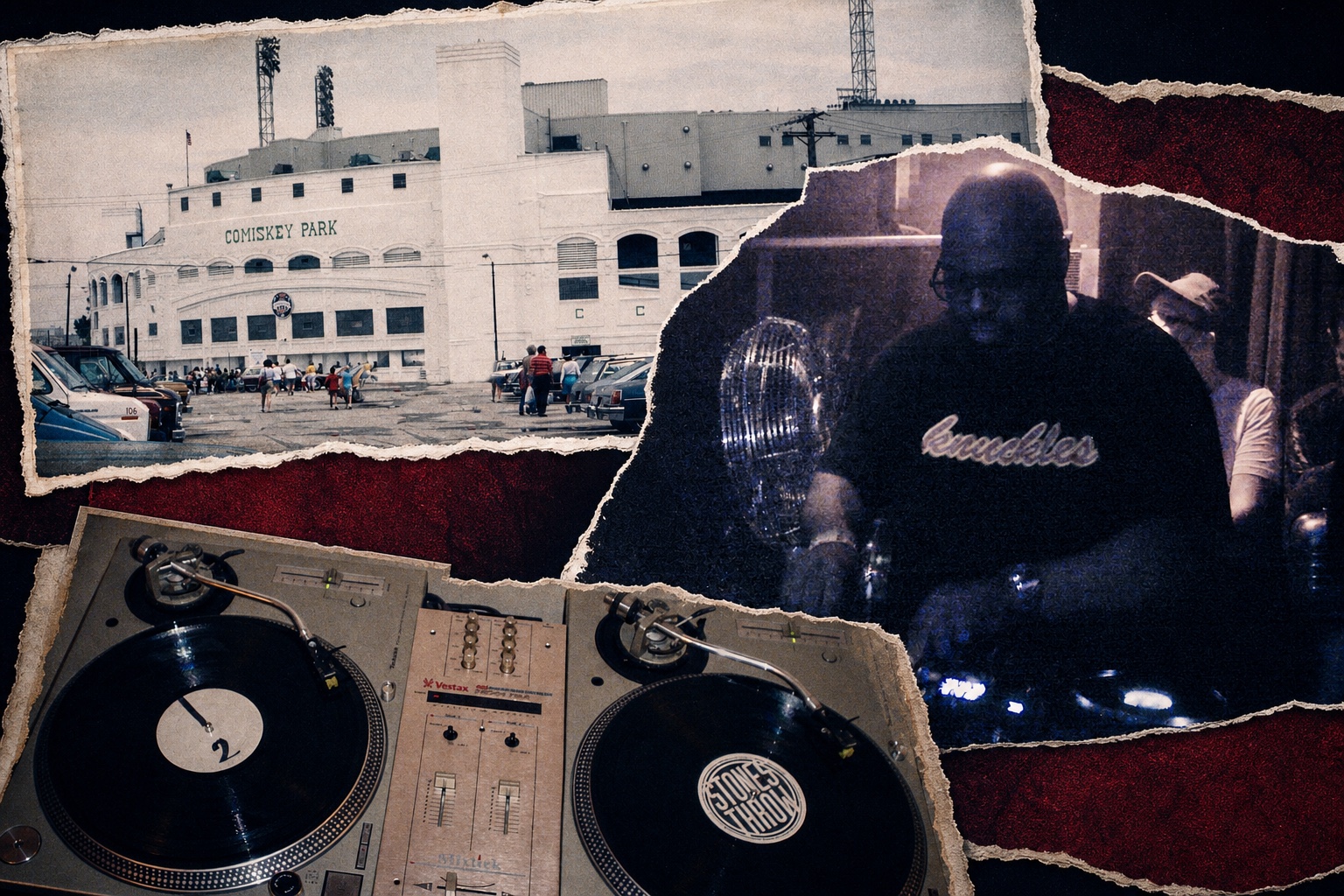
On 12 July 1979, America held a funeral for disco in a baseball stadium.
The deceased had not been consulted.
At Comiskey Park in Chicago, fans were offered admission for 98 cents if they brought a disco record to be destroyed. The organisers hoped for 20,000 people. Official attendance was 47,795, beyond the stadium’s capacity, while estimates climbed past 50,000.
Between the two games, rock DJ Steve Dahl detonated a crate of vinyl.
Then roughly 7,000 people occupied the field for 40 minutes, lit fires, wrecked the batting cage, stole the bases and produced that rare American moment when even baseball discovers that baseball is no longer the main subject.
Thirty-nine arrests.
The second game forfeited.
And, the next day, a cultural death certificate:
Disco was dead.
Very theatrical.
Very masculine.
And entirely premature.
An excellent murder for radio
The event was called Disco Demolition Night, conceived as a promotion for the Chicago White Sox and rock station WLUP.
Steve Dahl also had an elegantly simple personal motive: he had lost a previous radio job when the station switched from rock to disco. Instead of therapy, he chose a radio army and explosives.
In capitalism’s defence, it worked.
The White Sox had been averaging around 15,000 spectators. That night, the 44,492-seat stadium could no longer fit inside itself. The Chicago History Museum documents the figures: another 15,000 to 20,000 people remained outside, while spectators threw records, bottles, lighters and firecrackers onto the field during the first game.
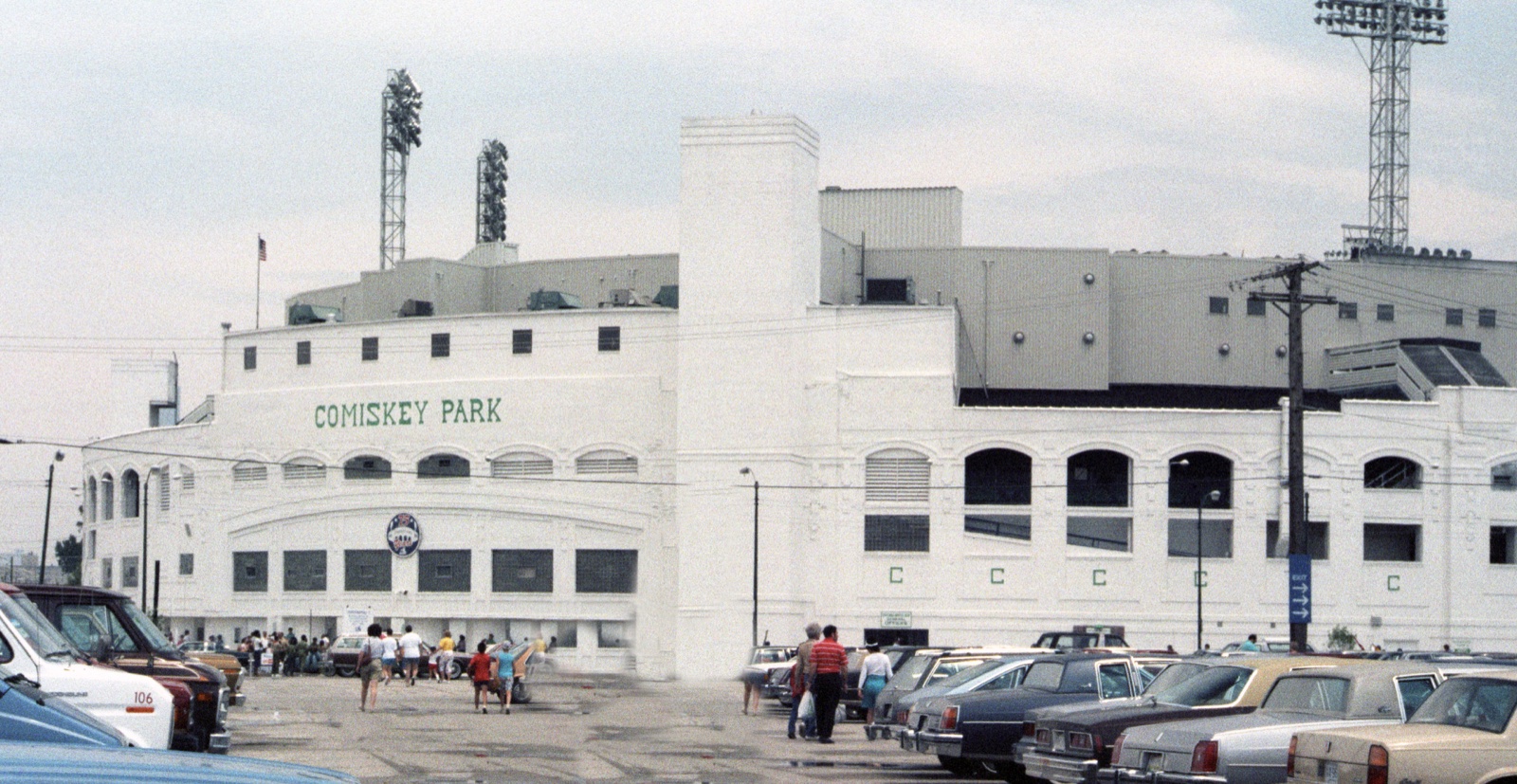
Old Comiskey Park, Chicago, 1986. Photograph: Johnmaxmena2, public domain, via Wikimedia Commons. In 1979, a musical genre was nearly murdered here with a promotional ticket price.
It is tempting to see the scene as nothing more than a stunt that got out of hand.
Some teenagers.
Some angry boys.
Some bad records.
An industry that had manufactured too much polyester and too few emergency exits.
Except that when stadium ushers looked at the vinyl brought for the bonfire, they also found funk, R&B and records by Black artists that were not even disco.
Hatred’s guest list had quietly grown wider than the genre advertised at the door.
“Disco sucks” did not mean the same thing to everyone
It would be convenient to pretend that every person in the stadium had arrived with a racist and homophobic manifesto in their pocket.
We do not know that.
Some hated the commercial saturation.
Some were defending rock.
Some followed Dahl.
Some probably just wanted to watch something explode — an impressively durable political motive across generations.
But the intention of each individual does not exhaust the social meaning of a crowd.
Disco had grown in Black, Latino and queer clubs long before Hollywood put it in a white suit. It had given women and gay men voices, bodies and spaces that rock culture often treated as decoration or threat. Falsetto, pleasure, fashion, feminine gesture, the man who danced without apologising — all of it could sound like an insult to an audience that preferred its masculinity with a guitar and no visible glitter.
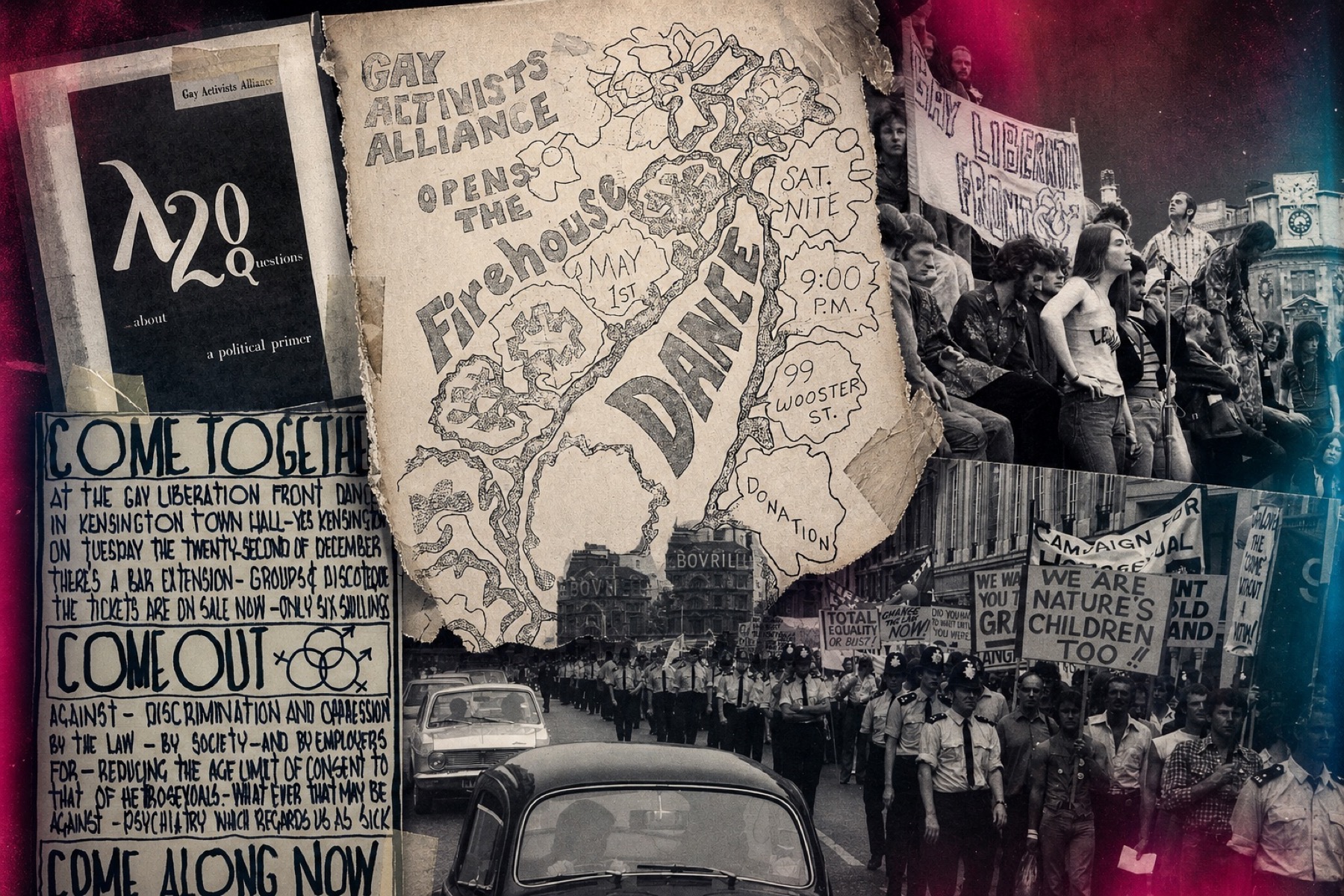
In the same genealogy, the Firehouse shows how a queer dance floor paid directly for activism, years before the industry discovered how well liberation could sell.
Historian Gillian Frank analysed the anti-gay component directly in “Discophobia”. WTTW describes the mechanism without lace: an anti-disco movement rooted in racism and homophobia drove the music underground, from where it re-emerged as house. The documentary Disco’s Revenge leaves both Dahl’s denial and the testimony of people who saw the burning of Black records as something far more sinister than a quarrel between radio formats in the frame.
We do not have to choose between two cartoons:
“They were all fascists.”
or
“It was only a joke about music.”
History can contain commercial fatigue, recession, rock defensiveness, racism, homophobia, sexism and a promotion so effective that its organisers lost control of the product — all at once.
Sometimes hate arrives with an ideology.
Sometimes it arrives with a T-shirt, a slogan and discounted admission.
The industry understood the message. Perhaps too well.
After 1979, major labels and radio stations began retreating from the word disco.
Dance departments closed.
Artists were dropped.
Charts emptied.
Commercial clubs changed the décor, the audience or the name before anyone could notice their anxiety.
At the level of branding, the death was real.
But a brand is not a practice.
You cannot retire, by press release, the way a DJ reads a dance floor. You cannot fire the continuous mix. You cannot deactivate the twelve-inch single. You cannot persuade a bassline to go home because marketing has decided that the term has become toxic.
You can, however, change the label.
Dance.
Post-disco.
Garage.
Boogie.
Hi-NRG.
House.
Disco did not disappear.
It entered witness protection.
While the stadium planned a funeral, the club was already open
This is where the timeline becomes deliciously rude to the myth.
The Warehouse had opened in Chicago in March 1977, more than two years before Disco Demolition Night. In the booth was Frankie Knuckles, the Bronx-born DJ who had learned alongside Larry Levan in New York and would be called, with excellent reason, the “Godfather of House”.
The club at 206 South Jefferson Street was a vital space for Black and Latino gay audiences. More than 500 people packed it at weekends; the party could begin at midnight on Saturday and end at noon on Sunday. WTTW’s oral history describes a refuge and a laboratory: one night in which bodies forced to explain themselves all week could finally just dance.
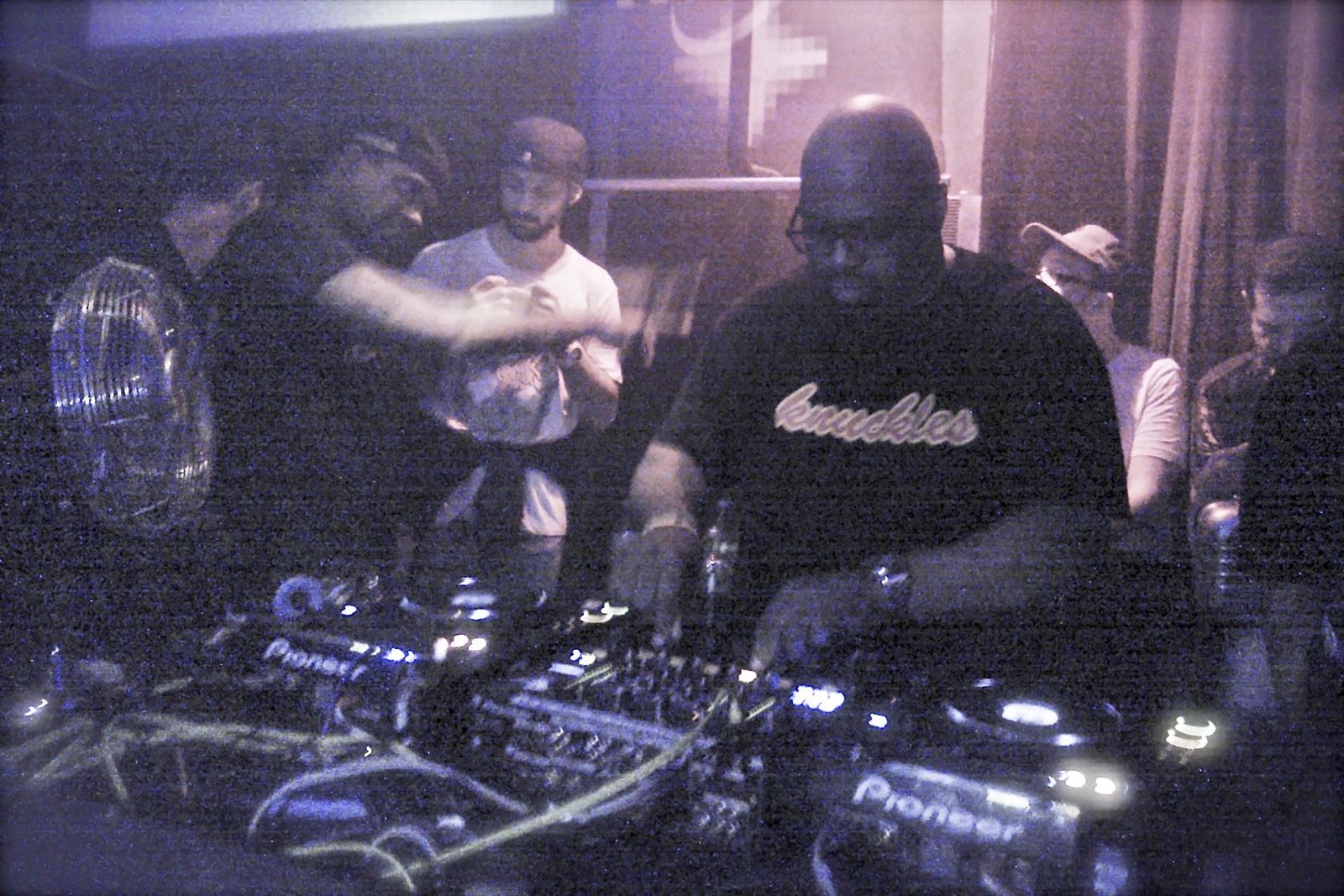
Frankie Knuckles at the Sugar Factory, Amsterdam Dance Event, 2012. Photograph: deepstereo, Wikimedia Commons, CC BY 2.0. Disco would be declared dead; Knuckles had other plans for the inheritance.
House did not appear in one second, like a fully mixed goddess emerging from a kick drum.
Nor is it simply disco wearing a false name.
Frankie Knuckles and other DJs mixed disco classics, soul, European imports, synth-pop, new wave, dub, drum machines and anything that kept the floor alive. Tracks were extended. Breaks became architecture. Rhythm machines filled the gaps left by the industry.
The audience decided, through the body, what deserved to continue.
This is the detail that stories about “the death of genres” always forget:
music does not live only in charts.
It lives in technique.
In habit.
In community.
In the muscle memory of a DJ who knows exactly when not to change the record.
They burned the records. They kept the turntables.
The most important object in this story is not the crate detonated on the field.
It is the pair of turntables that remained in the club.
For the mainstream, a record was the finished product.
For a DJ, a record was raw material.
It could be repeated, layered, extended and recontextualised. Two songs could be placed in a relationship their authors had never approved. Quite queer, when you think about it.
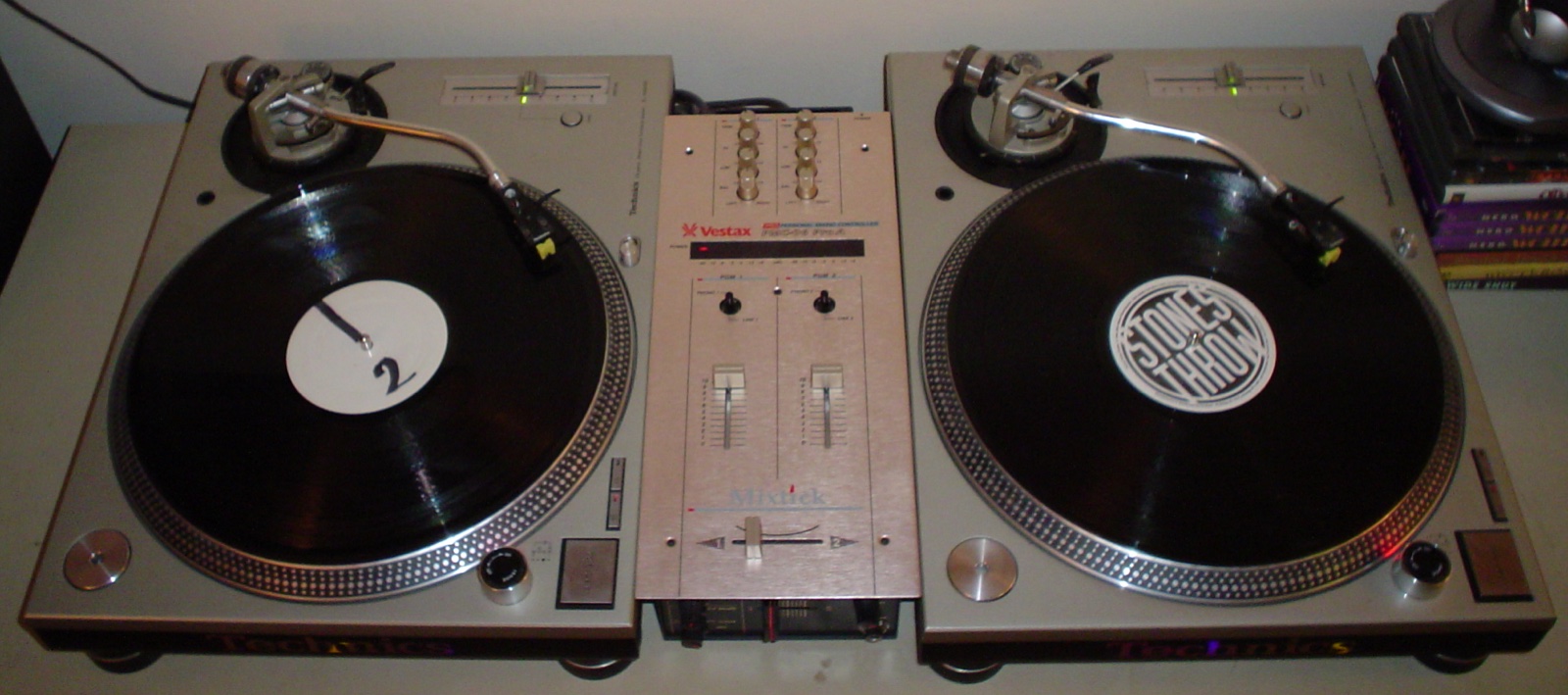
Two Technics SL-1200s and a Vestax mixer, 2004. Photograph: Baskoner, Wikimedia Commons, CC BY 3.0; image resized. The industry sees product. The DJ sees possibilities.
That is why the explosion at Comiskey could kill disco’s commercial image without destroying its creative infrastructure.
The four-on-the-floor beat continued.
The continuous mix continued.
The long night continued.
The idea that a dance floor could build a temporary community continued.
And the audience that had invented all this did not vanish because rock radio had launched a new campaign.
Dominant culture has a special relationship with queer legacies
First it calls them excessive.
Then vulgar.
Then dead.
Then, a few years later, it repackages them as universal innovation.
House, techno, dance-pop, EDM and an enormous share of contemporary club culture carry traces of disco’s Black, Latino and queer laboratories. They are not all the same thing, and they do not form a family tree simple enough to print on a T-shirt. But the continuity is too strong to dismiss as an accident.
The world that shouted “disco sucks” ended up dancing to its children.
By then, the children had new names and a less compromising marketing campaign.
It is one of pop culture’s great jokes:
society can accept quite a lot from marginalised people, provided it is not asked to preserve their authorship.
From Chicago to Sitges, the night ignores death certificates
I do not want to turn every club into a copy of the Warehouse, or every bassline into a history lesson.
That would be another simplification, only with better intentions.
But the world of Cruel Sitges exists in this afterlife: repetition, the queer body, seduction, speed, synthesiser, elegance and a little danger worn very well.
It is not a disco museum.
It is evidence that night music inherits more than sounds. It inherits permissions.
Permission to be too much.
To dance outside the compulsory couple.
To turn a beat into a social space.
To make pleasure a form of memory.
On “Jeux cruels en Sitges”, speed offers no apology and the night does not appear interested in approval from the heritage committee. As it should be.
So, did disco die?
Yes, if disco means the word the industry printed on a poster in 1978.
Yes, if we mean the commercial bubble, overproduction and the opportunistic fever of companies that had suddenly discovered even grandmother could buy a mirror ball.
No, if we mean a musical language.
No, if we mean the DJ.
No, if we mean the club as a space of queer invention.
No, if we mean house and all its future relatives, legitimate or very discreetly conceived after midnight.
Disco Demolition Night did not kill disco.
It gave the industry a perfect photograph for its retreat and gave history a scene too spectacular not to be mistaken for the explanation.
They burned the label.
The beat had left before the fire brigade arrived.