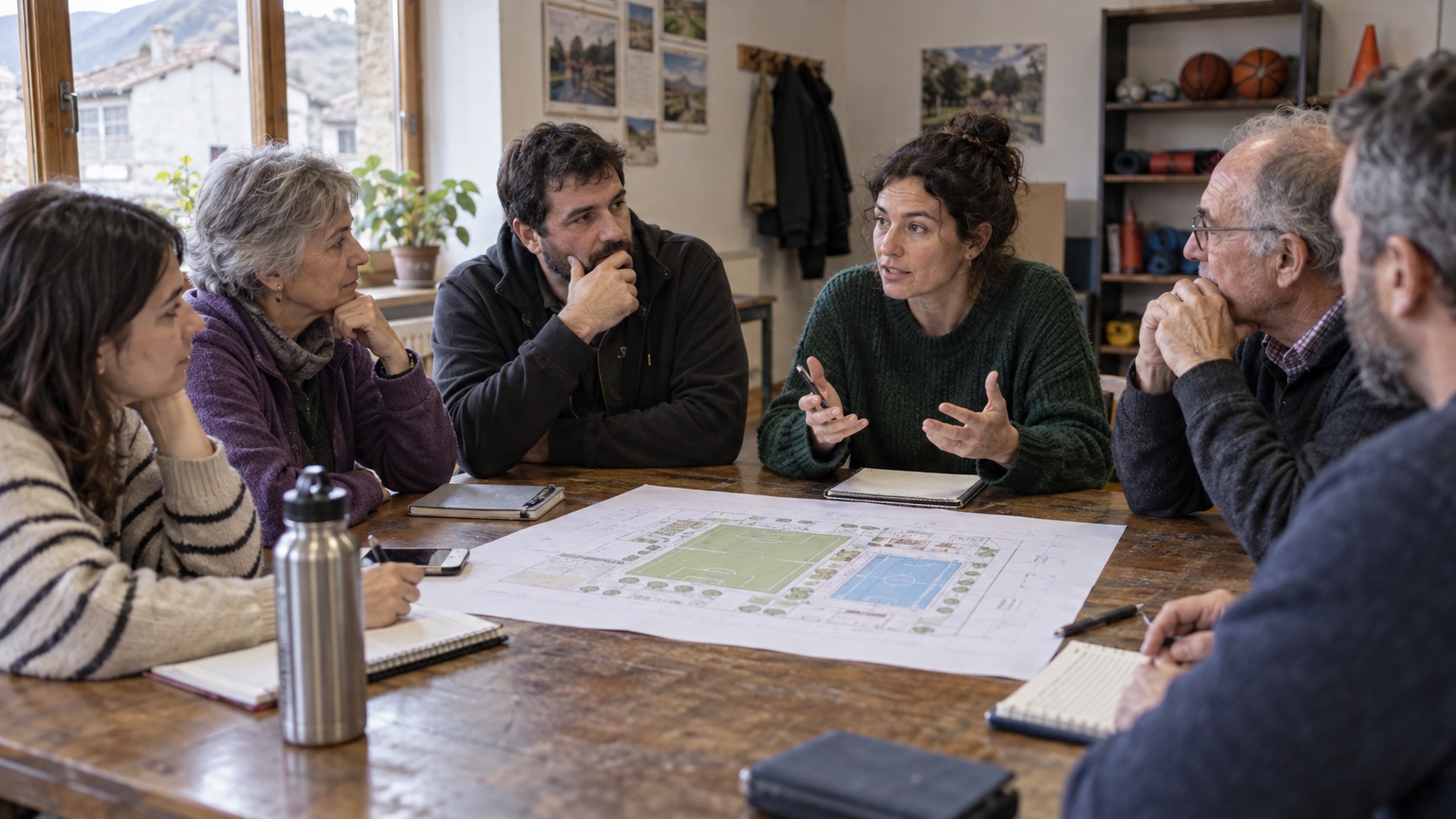
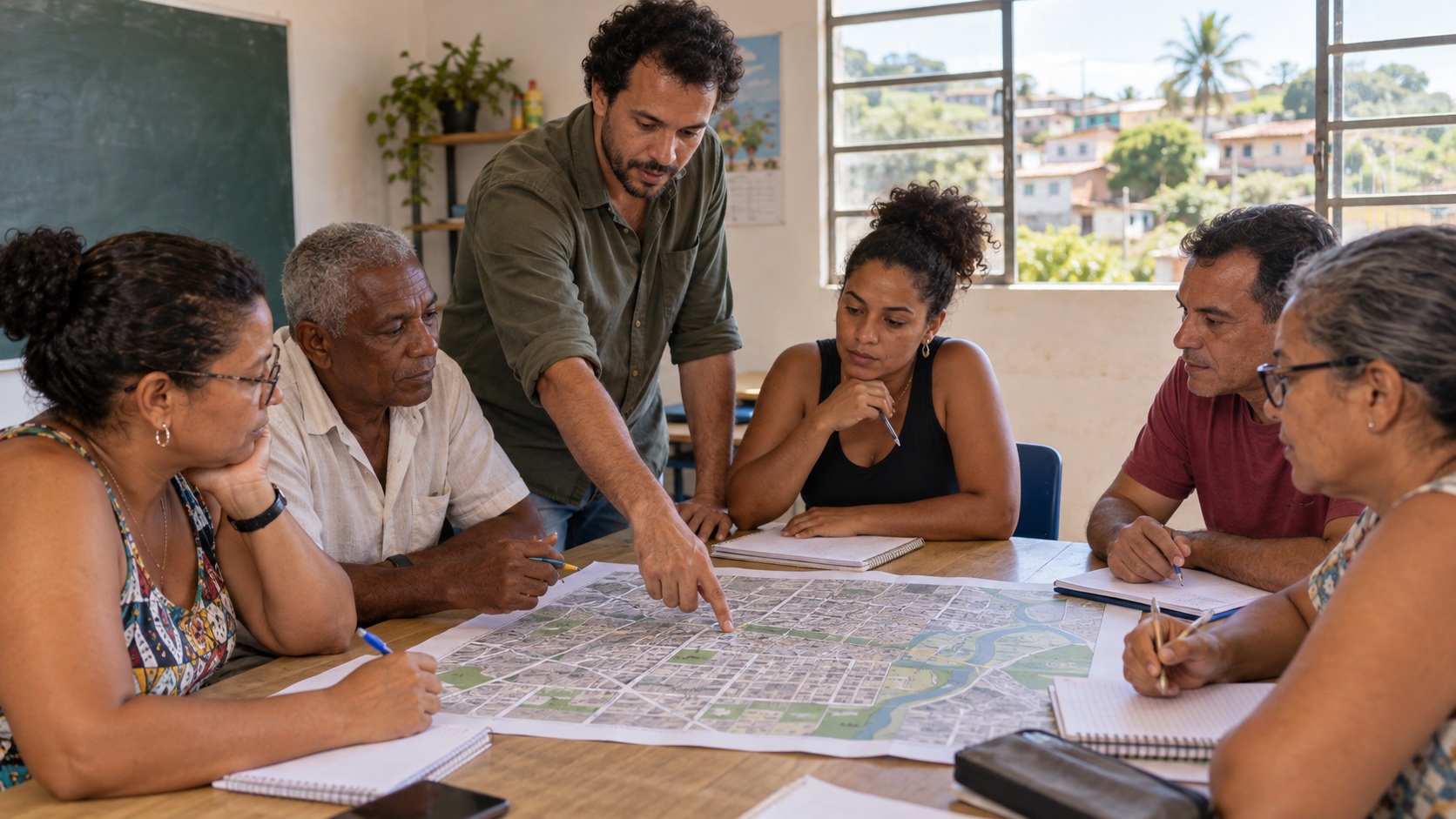
Europe is not short of invitations to a conversation. The charming part: the citizen enters the room. The less photogenic part: who explains what follows once the room is empty?
The starting read is Richard Youngs, Carnegie Europe, 7 October 2026. Here are a few institutional examples, not a league table or proof that democracy has been repaired.
The EU’s democratic resilience panel brings together 150 randomly selected citizens. Its next session is announced for 16–18 October, online. European Commission.
In Brussels, the deliberative commission model combines one quarter parliamentarians and three quarters randomly selected citizens, developing recommendations that Parliament then examines. Official platform.
Paris describes a droit de suite, with annual information and public meetings about progress on adopted measures. City of Paris.
That strikes me as a more interesting question than another photograph of chairs in a circle: can participants find out what became of their recommendation?
Not every recommendation must be accepted. Some may be poorly designed, costly or incompatible with other obligations. Explaining a rejection can be more honest than serving “thank you for participating” with a side of silence.
Nor should a worthwhile meeting be dismissed because it did not solve every political problem. Between miracle and scenery, there is serious work. It deserves concrete questions rather than automatic applause.
That curiosity is also part of the conversation around Deferendum, a project I promote. A group app is not a parliament, and I am not suggesting that these institutions use it.
Before counting participants again, let us also ask who can tell them what happened afterwards.