On 13 October 2026, Pamplona announced a consultation on future sporting uses for the site currently occupied by Aquavox San Agustín, in its historic centre. Information, proposals and technical assessment come next. This is news about a process beginning, not a project already chosen. Which makes the interesting question rather less photogenic: what happens after the final idea reaches the form? The municipal announcement.
The form is the elegant part. It has fields, a button and, usually, an automated acknowledgement with excellent manners. The awkward part begins when somebody must explain what was understood, what can be done and what cannot. Participation is not measured only in incoming messages. It also shows in the quality of the answer that comes back.
First, understand what is not on the table
The swimming pool has closed permanently for safety reasons and structural risks. The rest of the complex remains open until at least 30 June 2027. The city reported 1,663 subscribers as of 25 September: subscribers, not consultation participants. That distinction looks small until a number strolls, remarkably confidently, into a headline about representation. The municipal notice of 1 October.
This boundary changes the conversation. We are not discussing a pool that an enthusiastic vote can reopen through the healing power of feelings. The subject is possible future uses and sporting needs, within a constrained site. Meaningful participation should start with the actual scope of the decision. Otherwise we invite people to choose from a menu the kitchen cannot cook.
A calendar helps. Following through matters more
The information meeting is scheduled for 21 October at 18:30, in Sala Calderería 11. The poster gives a maximum duration of an hour and a half. The official poster.
Proposals can be submitted from 22 October to 4 November, through telephone service 010 or the Decide Pamplona platform. A session with individually invited stakeholders is planned for 28 October; a public meeting presenting the technical assessment of proposals follows on 10 November. These are announced stages, not results already delivered. The municipal timetable.
I find the explicit return to the public important. We do not yet know what explanations it will provide. But we can watch whether closing submissions moves the conversation into a traceable next stage, or simply gives it a new name. “Process completed” may describe managing a calendar. It does not automatically describe meeting a need.
An idea, a need and a promise are different things
A proposal often arrives already dressed as a solution: a particular room, a particular piece of equipment, particular opening hours. Behind it may sit a need with several possible answers. If we keep only the preferred solution, we risk losing the problem at precisely the moment we think we have documented it.
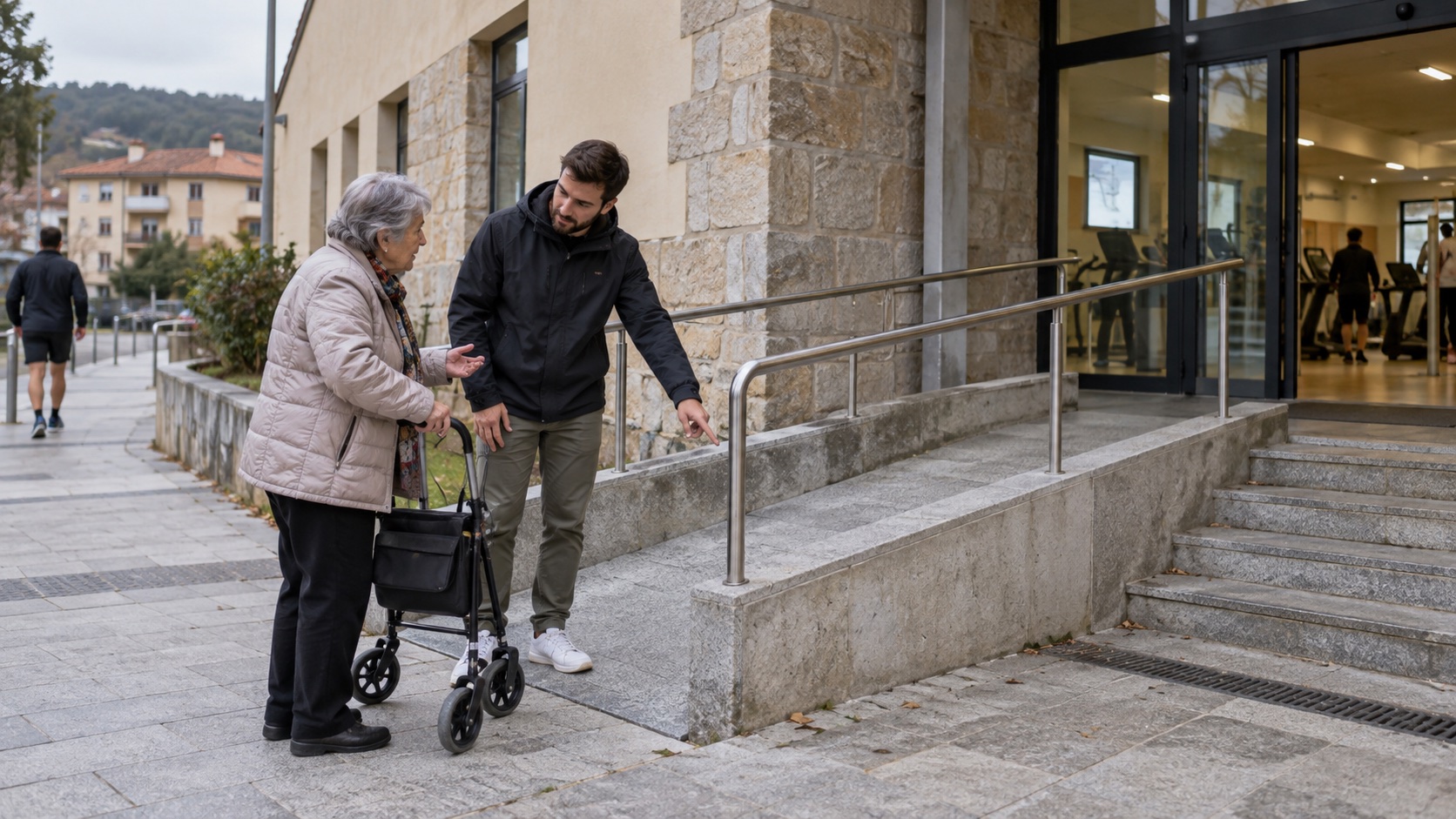
Imagine, as a working example, three adults interested in the same space. One asks for activities after work. Another needs step-free access. A third asks whether the price will remain affordable. These are not proposals identified in Pamplona's consultation. They are three conditions that could explain why one service works beautifully for somebody and barely works at all for somebody else.
A good process need not promise to satisfy every wish simultaneously. It should show which need it understood and how it compares alternatives. “We received your request” is the beginning of an answer. If it remains the entire answer, the institution has built a particularly presentable letterbox.
A popular idea does not erase an important condition
Access, opening hours and the cost of using a facility can determine who actually benefits. A condition raised by a small number of people does not become irrelevant because it appears infrequently. It may be the difference between a place open on paper and a place accessible in someone's life.
This is where we should resist turning every list into a podium. A proposal's popularity tells us something about support. It does not, by itself, establish safety, feasibility or fairness. Nor does this consultation announcement establish a binding referendum. Receiving ideas, prioritising them and deciding an investment are separate actions, with different responsibilities and different kinds of evidence.
A well-explained refusal can still be useful
During assessment, some proposals may encounter real constraints. Not every “no” proves that participation was decoration. But a refusal saying only “it is not possible” asks the public to admire the conclusion without seeing the reasoning that produced it.
I would look for explanations distinguishing safety, available space, responsibilities, money and service organisation. Those are categories for our analysis, not findings we are already attributing to Pamplona. The distinction matters: a technical obstacle and a choice of priorities should not disappear inside the same administrative phrase.
When an option cannot be delivered, the next question is whether the need can receive another answer. The answer might still be negative. Nevertheless, the route becomes understandable. People can challenge an assumption, contribute information or see why a condition blocks the project. Without that trail, the debate must be reinvented at every meeting, with a rather impressive consumption of chairs and patience.
What I would check at the feedback meeting
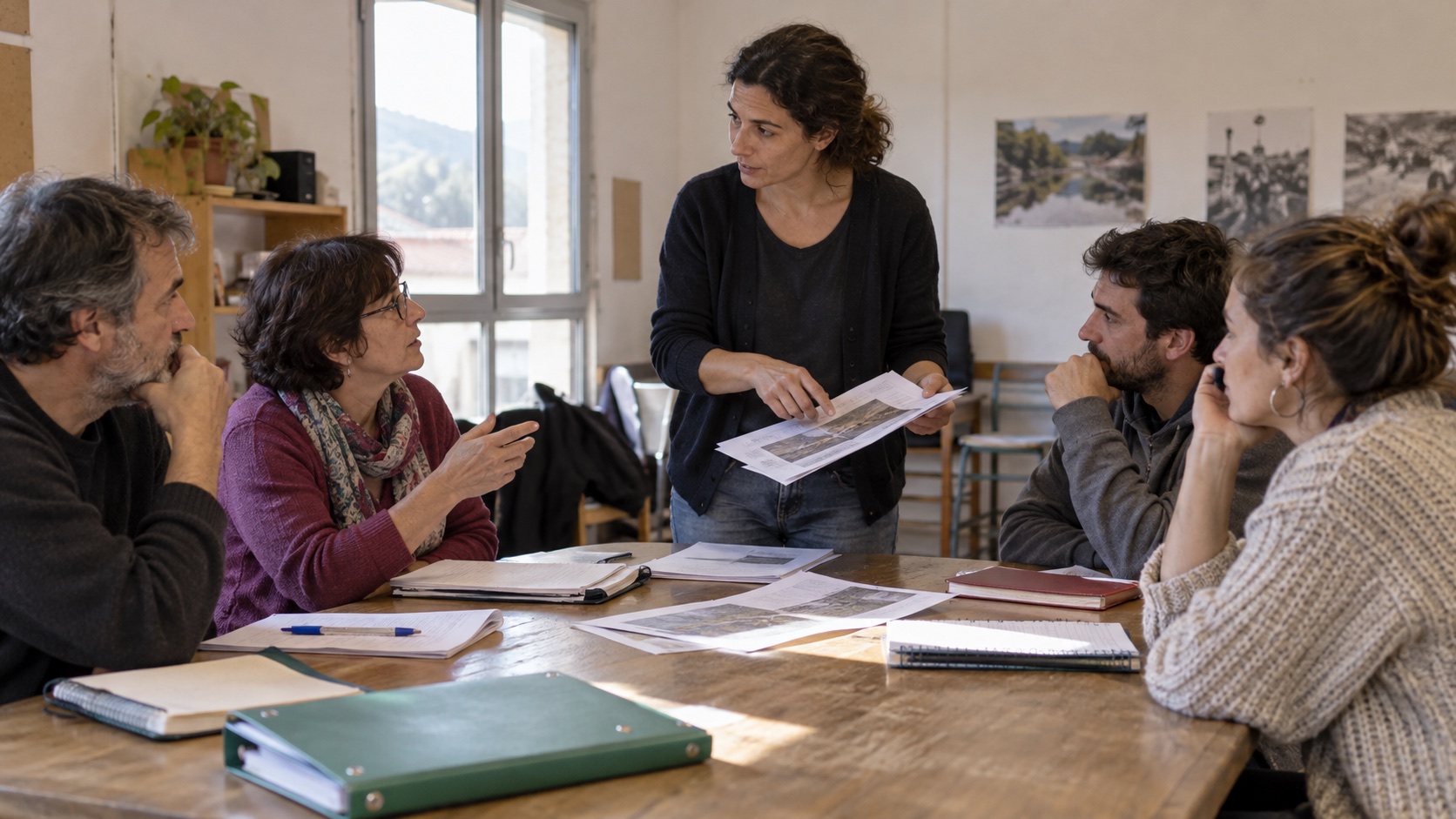
On 10 November, I would not look only for the idea with the best presentation. I would look for the connection between proposals and explanations. Which needs survived into the assessment? What information was missing? Who can decide the next step, and what remains open?
We cannot know now whether those answers will be available. That is precisely why the assessment deserves attention, rather than an early, convenient verdict. A timetable can fix the day for a discussion. It cannot supply the quality of that discussion in advance.
Beyond the submit button
This continuity also concerns me in Deferendum, my project for group discussions and decisions. This is not an announced partnership with Pamplona. It is the same practical question at a different scale: how do we keep the problem, objections and next step visible after everybody has expressed an opinion?
The Aquavox story does not yet give us a success to celebrate or a failure to denounce. It gives us a process with stated limits and a date when explanations should come back. That is a more useful beginning than a promise with no timetable.
Meanwhile, the form can keep its excellent manners. The community needs the rest of the conversation too.