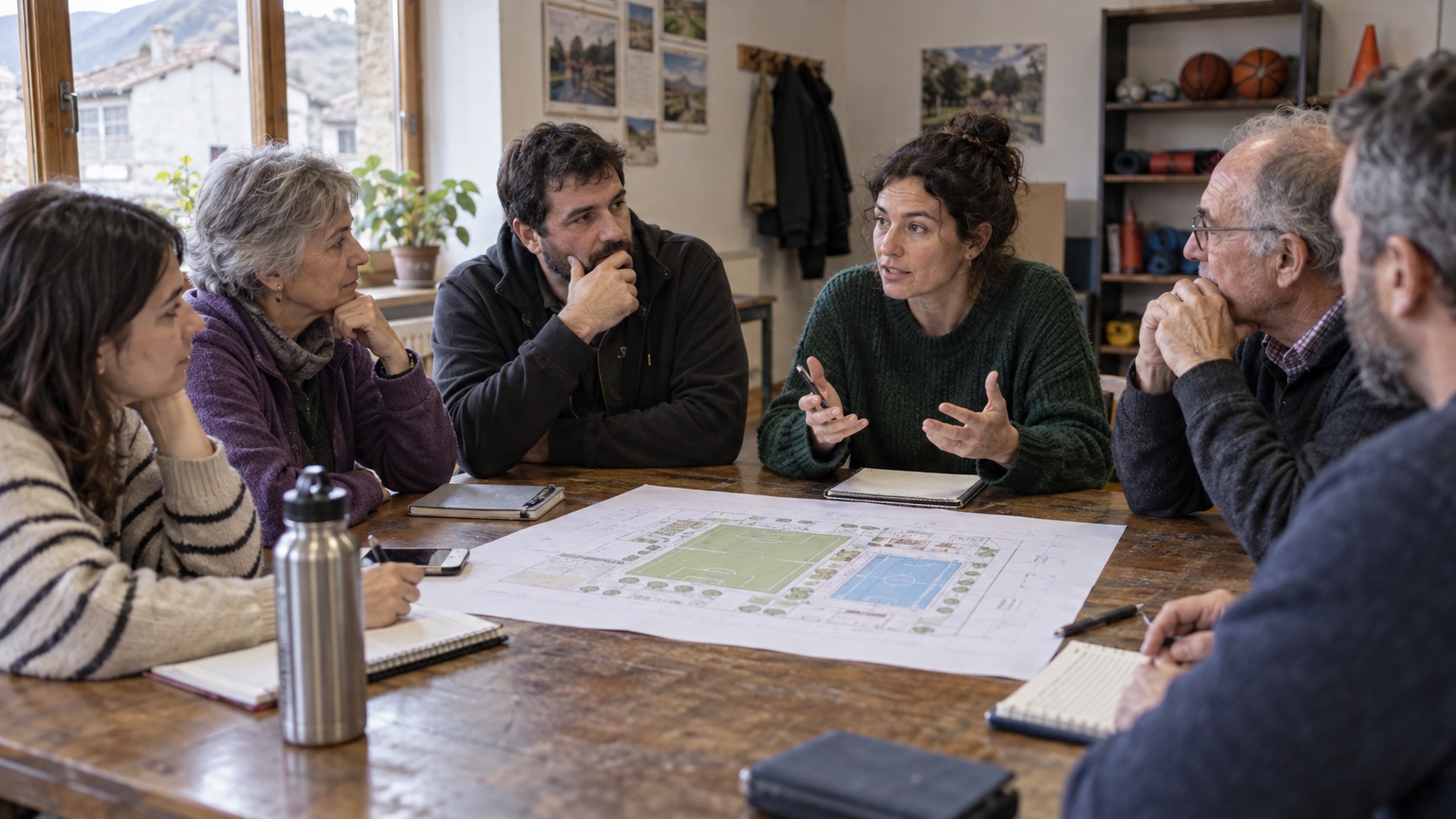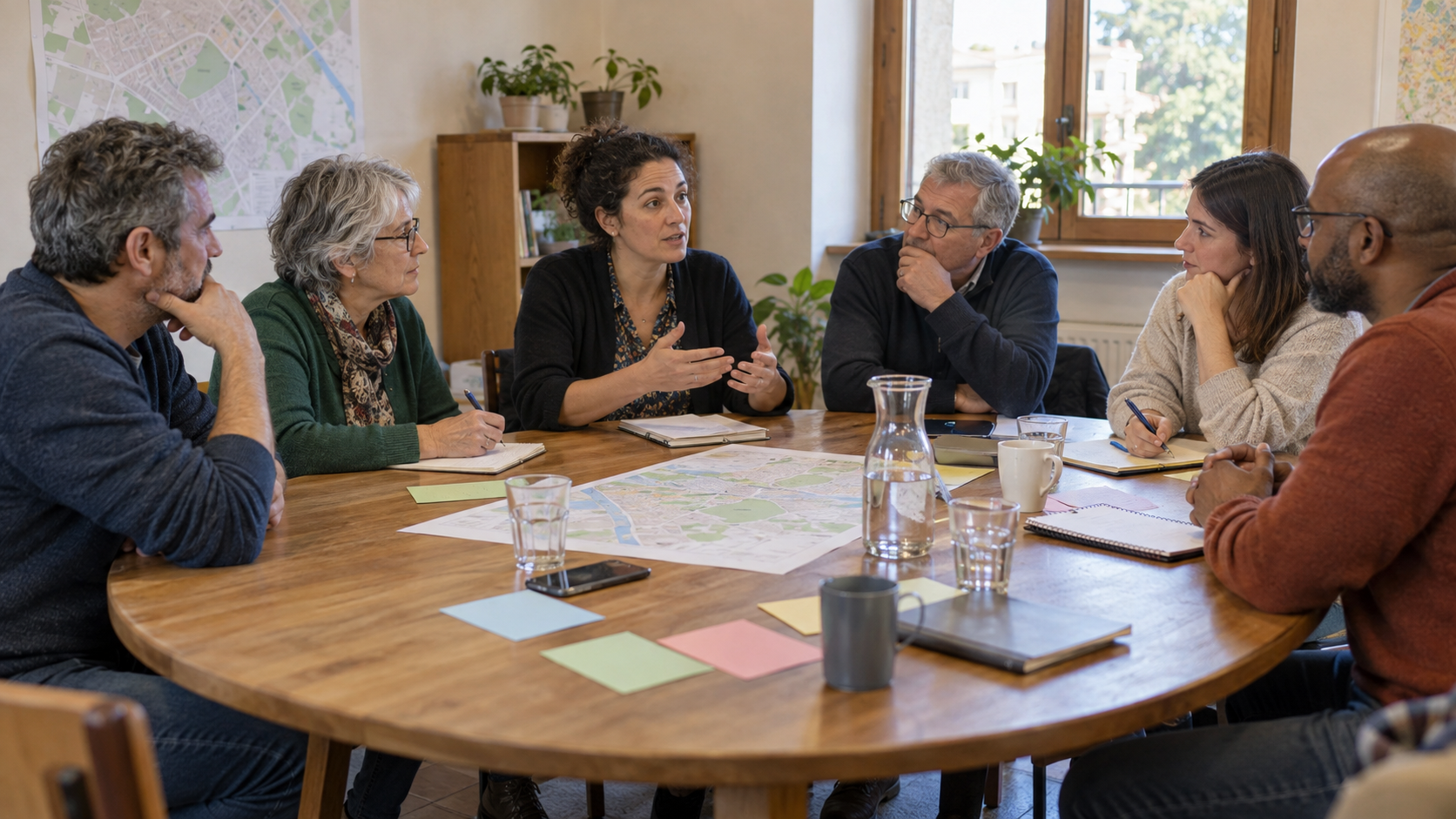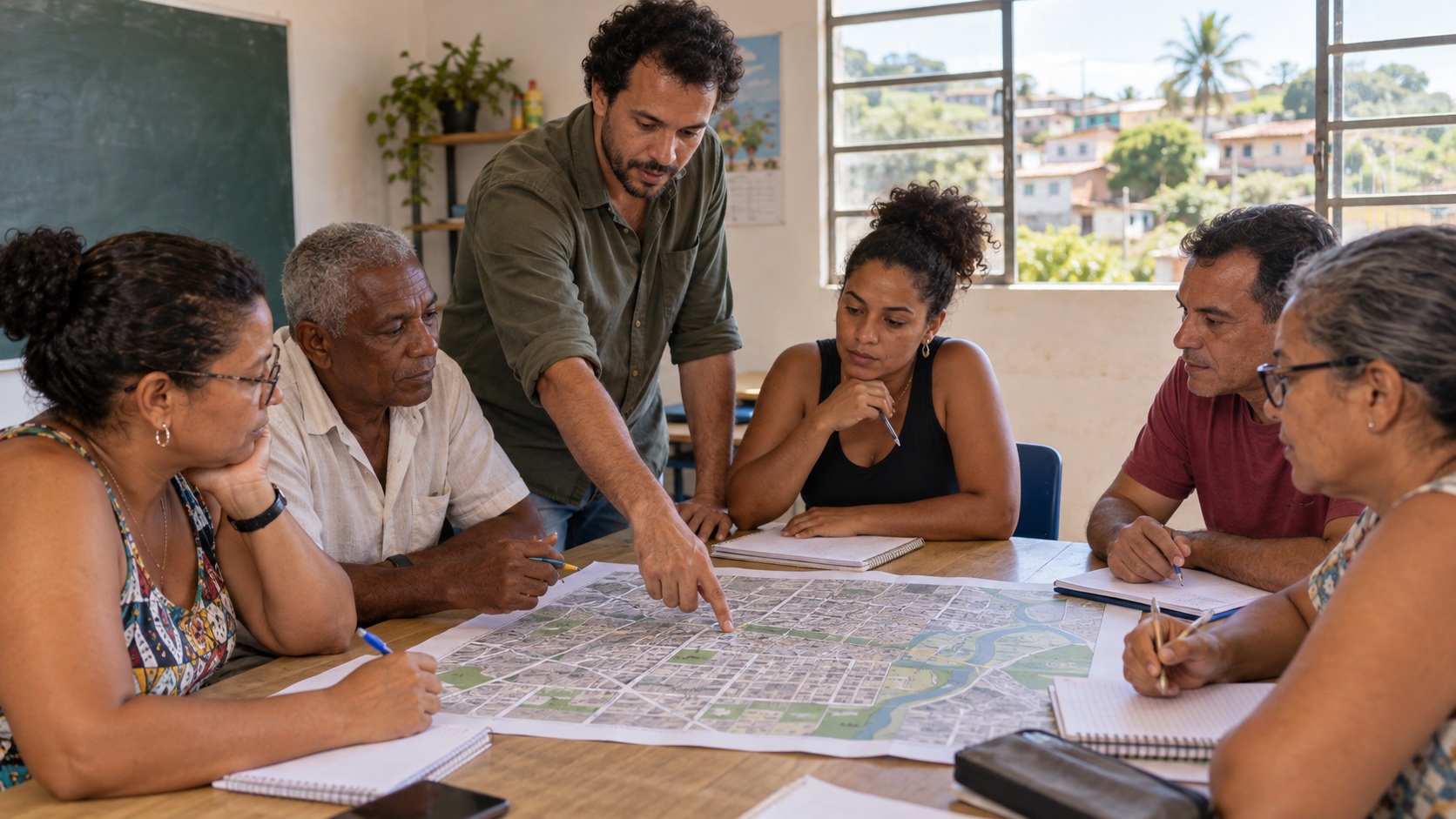
A participatory table can be wonderfully welcoming. Chairs, water, a presentation with plenty of arrows. Then the first planning term appears and half the conversation quietly leaves the room, although everyone remains seated. The invitation was a success. Understanding still has a little work to do.
News from Palmas, Brazil, tries to address that difference. On 13 October 2026, the municipality presented the timetable for a participatory master plan review. The first announced activity is training on urban development and the right to the city. That seems worth following: offer reference points before requesting opinions. It does not prove the process will succeed. It does offer a better question than “Did you see the slide?”.
The news, before we turn it into a perfect story
The Palmas municipal announcement describes Sempdu, the planning and urban development secretariat, presenting its timetable to the Câmara Municipal. Secretary Israel Henrique, executive secretary Lúcio Milhomem and legislature president Marilon Barbosa attended, alongside elected representatives and technical staff.
The review concerns the framework established by Complementary Law 400/2018. A new plan has not been announced as adopted. The course has not happened yet. Even a well-written press release cannot travel into the future and return with outcomes.
The free, in-person training is scheduled in the Sempdu auditorium on 3–6 and 9–12 November 2026, from 14:30 to 17:30. The intended audience includes municipal council members, civic representatives, community leaders and social movements. UFT, Neppur and Fapto are the listed partners. Registration is linked in the organisers' announcement; we do not invent access conditions ourselves.
A map cannot explain the choice by itself
The master plan is a framework for organising and developing the city, not a drawing of one building or the receipt for every urban promise. The earlier plan's publication, reported in 2018, helps explain what is being reviewed. It does not turn the beginning of the 2026 process into a completed result.
That is the point of the angle: invite people to the table, but explain what is on it too. “Mobility”, “density” and “zoning” can be useful terms. They can also become elegant curtains if nobody explains what they change in everyday life.
A good explanation is not condescension. It connects a term to a situation. Someone describing a difficult route may not know planning vocabulary. Their route does not become easier because of that.
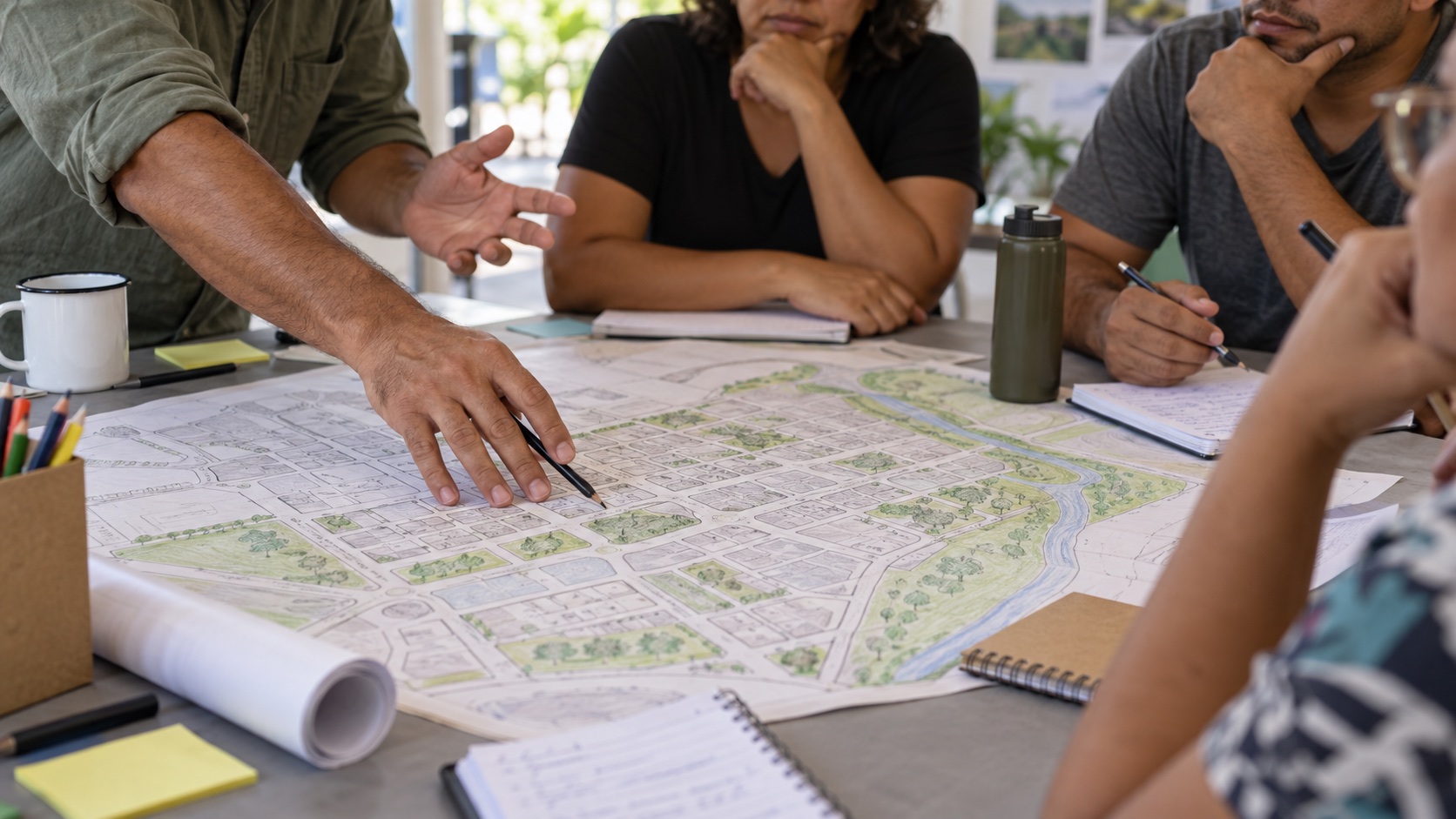
A map becomes useful when people understand what it shows and what it cannot answer alone.
Preparation is not rehearsal for the correct answer
Useful training helps people ask better questions, not memorise the organiser's preference. What belongs in this plan? What requires a separate discussion? What alternatives exist? What information is missing? That is more interesting than a room learning to nod in synchronised formation.
I am not claiming this risk has been observed in Palmas. It is the test I would apply to preparation before any consultation. With shared language, people can still disagree, but understand what they disagree about.
Local experience does not automatically replace every technical finding either. A specialist may explain a genuine constraint. A resident may identify an overlooked consequence. The conversation improves when those contributions meet, not when one receives a diploma of superiority over the other.
An example: the pavement does not read the presentation
Imagine a neighbourhood discussing a route to a transport stop. One person wants a shorter distance. Another asks for shade. Someone using a mobility device identifies a kerb. Three observations, one access problem, several conditions.
This is hypothetical, not a report about proposals from Palmas. It shows how a vague question can hide the decisive detail. “Are you in favour of modernisation?” gives enthusiasm plenty of room. “How do we provide a usable route, including for people with limited mobility?” asks us to examine the problem.
The kerb does not disappear because the objection receives little applause. Nor does wording that says “for everyone” replace an access check. Sometimes the adjective is the cheapest part of the project.
Free removes the fee, not everyone's scheduling problem
The announced course runs from 14:30 to 17:30. That is useful information and an invitation to ask who can free those hours. Work, transport and caring responsibilities do not disappear when the phrase “open participation” arrives.
There is no evidence here that the timetable excludes a particular group. There are reasons to ask how people unable to attend can contribute. Can they read explanations separately? Send questions? Get help understanding a map? Those provisions need checking, not an imaginative addition to the municipality's record.
Above all, training should not become an invented licence to have an opinion. People may know a problem extremely well before learning the technical name of the category in which it has been filed.

Access to participation involves available time as well as the absence of a fee.
What remains after the lesson ends
I would follow the connection between information and contribution. Not just how many people enter a room, but what they can ask and what response they receive. The announcement publishes no trainee count or measured impact. We should not fill them in to obtain a celebratory ending.
A contribution trail could retain the concern, option discussed, objection, response and next step. If a contribution is deferred, explain why. If it falls outside the plan's responsibility, explain where it can go. “Noted” starts a response; it does not always provide an explanation.
That is an analytical model, not a system confirmed in Palmas. The announcement describes the legislature's role in debates, public hearings and the eventual bill. It does not detail how every contribution will be followed through to the final text.
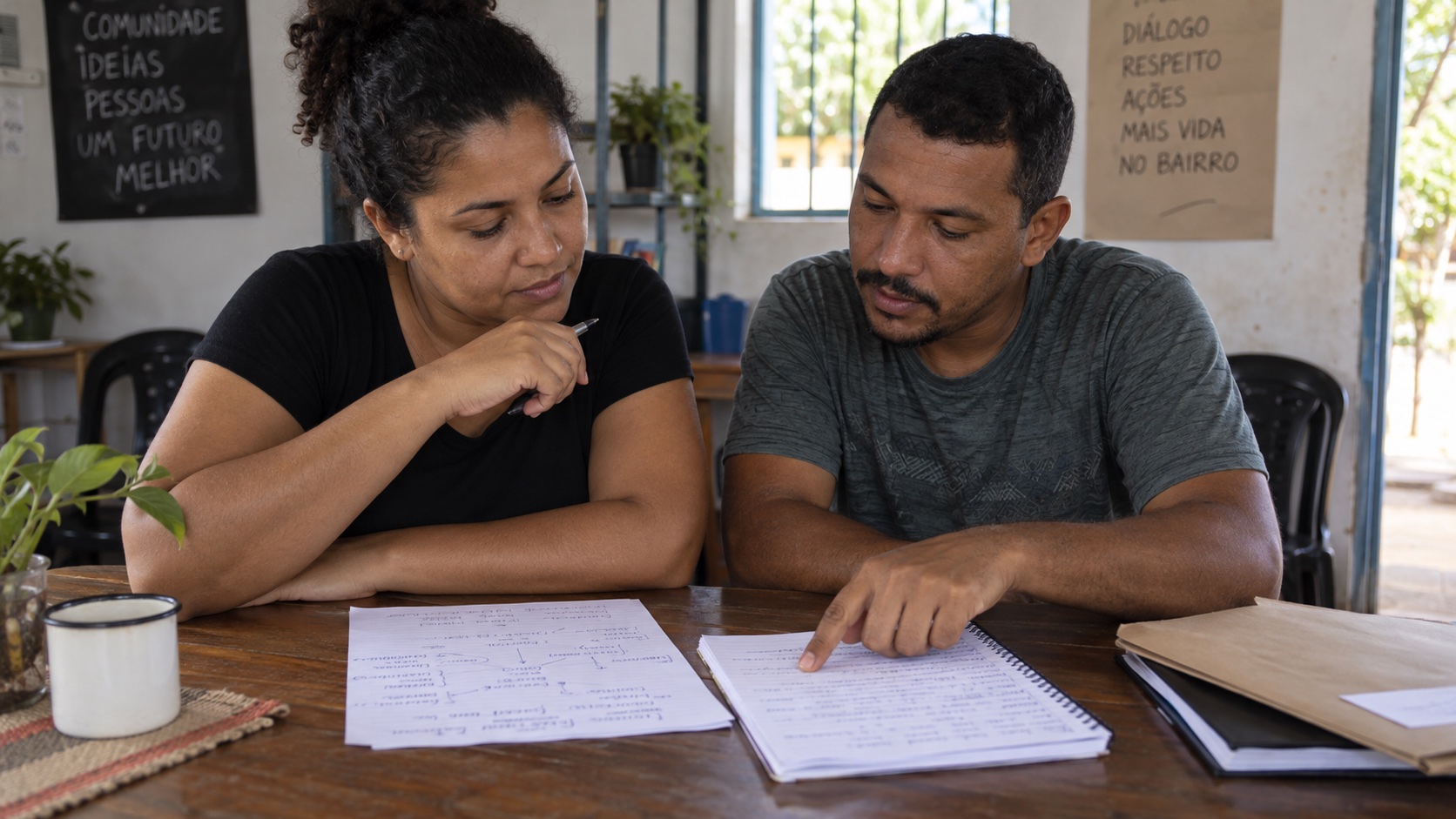
The concern, response and next step need to remain connected.
Short questions without invented endings
Have residents already voted on a new plan?
No. Presenting a timetable is not adopting the plan. Consultation and legislative voting are different things.
Will the training produce consensus?
That has not been established. It can offer reference points without erasing different interests or consequences. Informed disagreement may be more useful than agreement nobody understands.
What deserves attention after November?
The explanations made available, questions received, responses and conditions retained in proposals. Those could tell us more than a photograph of a full room.
An invitation is the beginning, not the finished product
I work on this connection in Deferendum, my project for group discussions and decisions. That is not a partnership with Palmas, and it does not do planning on people's behalf. It is a modest link to the same problem: preserving the meaning of a conversation.
The news concerns preparation that has been announced. Its promise deserves attention without advance applause. At a participatory table, the best question is not only whether people arrived. It is whether they understood what they could bring to it.